
Blog
Restoring Antique Hardwood Floors in PA Historic Homes: What’s Possible
For those residing in Solebury or across Pennsylvania’s historic regions, an antique hardwood floor is more than just a surface; it’s a testament to centuries of craftsmanship and a cherished link to the past. These floors carry a unique character, a rich patina developed over generations that modern flooring simply cannot replicate. However, restoring such a treasure requires a nuanced approach, vastly different from standard refinishing.
At Tesla Hardwood Floor, we specialize in preserving this legacy, understanding that true antique hardwood floor restoration is an art form. It’s about revealing the original beauty while respecting the history embedded in every plank.
Understanding Pennsylvania’s Historic Hardwood Floor Types
Pennsylvania boasts a remarkable architectural heritage, and with it, a diverse range of antique hardwood floors. Recognizing the wood species and construction methods is the first step in any successful antique hardwood floor restoration project.
- Heart Pine (1700s–1850): Often found in homes dating from the 18th to mid-19th centuries, heart pine is renowned for its incredible density, durability, and rich, deep grain. These planks, harvested from old-growth forests, are far superior to modern pine and develop a beautiful amber hue over time.
- American Chestnut (Pre-1910): A truly rare and poignant find, American chestnut floors predate the devastating blight that wiped out most of these majestic trees by the early 20th century. Known for its distinct grain and warm tones, restoring American chestnut is a meticulous process, preserving a piece of ecological history.
- Narrow Oak (1900–1940): As the turn of the 20th century brought new milling techniques, narrower oak planks became prevalent. Both red and white oak were popular, offering a classic, enduring look still cherished today. These floors, while younger than heart pine or chestnut, still possess significant antique value and unique characteristics that deserve careful preservation.
Each of these woods presents distinct challenges and opportunities, requiring specialized knowledge to ensure their longevity and aesthetic integrity. Our licensed and insured specialists are adept at identifying and treating these historic materials with the respect they deserve.
The Peril of Aggressive Sanding: Preserving Patina
Modern hardwood floor refinishing often involves aggressive sanding to remove deep scratches and old finishes, creating a uniform, contemporary look. However, this approach can be detrimental to antique floors. Aggressive sanding can strip away the invaluable patina—the subtle sheen and character marks that have developed over decades or even centuries. This patina is what gives an antique floor its soul.
Furthermore, older floors often have thinner wear layers or may reveal original cut nails or fasteners if sanded too deeply, compromising their historical accuracy and structural integrity. The National Wood Flooring Association (NWFA) emphasizes the importance of a conservative approach for historic floors, recommending methods that preserve the original wood as much as possible rather than aiming for a “like-new” appearance. Our goal in antique hardwood floor restoration is always to enhance, not erase, its storied past.
Chemical Stripping vs. Light Sanding: A Delicate Balance
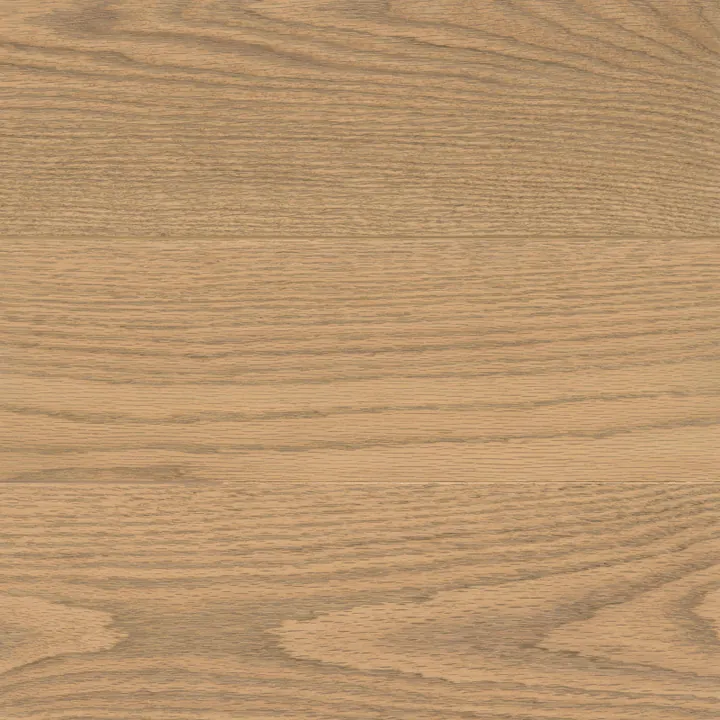
For antique floors, the choice between chemical stripping and light sanding is critical and depends heavily on the existing finish and the wood’s condition.
- Chemical Stripping: This method is often preferred for removing old, built-up shellac, varnish, or paint layers without significantly abrading the wood itself. It’s less invasive than sanding and helps preserve the wood’s original texture, hand-scraped marks, and the subtle character beneath the finish. This is especially vital for floors that have a thin wear layer or where deep sanding might expose structural elements.
- Light Sanding: While aggressive sanding is avoided, a very light, controlled sanding — sometimes even hand-scraping — may be necessary to address minor imperfections or to prepare the surface for a new finish after chemical stripping. This process is about careful refinement, not deep removal. It’s a method that requires an expert hand to ensure the floor’s integrity is maintained.
The decision to use chemical stripping or light sanding is made after a thorough assessment of your specific floor. This careful process ensures that your floor’s maximum refinishing potential is preserved for the future. You can learn more about managing your floor’s lifespan by reading our guide on how many times you can refinish hardwood floors.
Embracing Period-Accurate Finishes for Authenticity
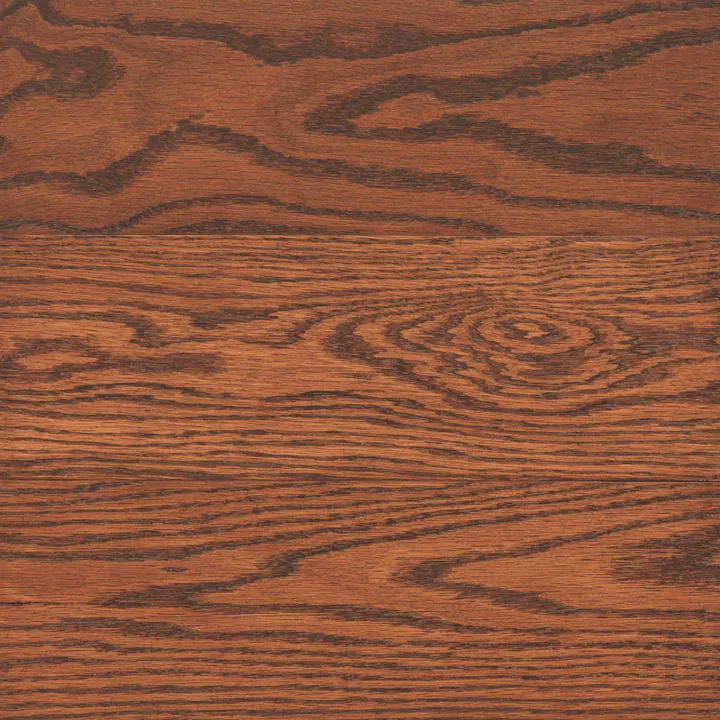
Once the old finish is carefully removed, selecting a new finish is paramount to maintaining the floor’s historical authenticity. Modern polyurethane finishes, while durable, can sometimes impart a plastic-like sheen that detracts from an antique floor’s natural beauty. For true antique hardwood floor restoration, we often recommend finishes that were historically accurate or offer a more natural, subtle aesthetic.
- Shellac: A traditional finish, shellac provides a warm, amber glow that is highly period-accurate for floors dating back to the 19th and early 20th centuries. It’s easy to repair and highlights the natural beauty of the wood.
- Tung Oil: Penetrating deep into the wood fibers, tung oil offers a natural, matte finish that enhances the grain and provides good protection. It creates a soft, hand-rubbed look that feels authentic to older homes.
- Hardwax Oil: A modern alternative, hardwax oil combines the benefits of natural oils and waxes, offering excellent durability and a beautiful, low-sheen finish. It allows the wood to breathe and can be spot-repaired, making it an excellent choice for a natural, long-lasting look that complements antique wood.
Choosing the right finish is a crucial step in ensuring your restored floor not only looks magnificent but also authentically reflects its heritage.
Sourcing Authentic Replacements: The Reclaimed Lumber Advantage
It’s not uncommon for antique floors to have damaged or missing boards due to water intrusion, structural changes, or previous repairs. Matching these planks with new wood is nearly impossible due to differences in grain, density, and aging. This is where reclaimed lumber becomes indispensable for a truly seamless antique hardwood floor restoration.
Reclaimed lumber yards in Pennsylvania specialize in salvaging antique wood from old barns, factories, and homes slated for demolition. This wood often comes from the same old-growth forests as your original floor, ensuring a perfect match in terms of species, cut, and age. Integrating reclaimed boards requires skilled craftsmanship to ensure they blend seamlessly with the existing floor, both structurally and aesthetically. Our team excels in this delicate work, ensuring your floor’s continuity. If you’re considering a more extensive project, our comprehensive hardwood floor refinishing services or targeted refinishing in Solebury, PA, are designed to meet the highest standards.
When Restoration Becomes Impractical: Knowing the Limits
While the vast majority of antique hardwood floors can be beautifully restored, there are instances where the extent of damage makes restoration impractical or prohibitively expensive. A general rule of thumb suggests that if more than 30% of the boards are severely damaged—due to extensive rot, insect infestation, or irreversible structural issues—the cost and effort of restoration may outweigh the benefits.
In such cases, a professional assessment can help you understand the true scope of work. While we always strive to preserve, sometimes a partial replacement with carefully matched new wood or a complete re-installation with new, high-quality hardwood might be a more sensible long-term solution. Our team provides honest, expert advice to help you make the best decision for your home, balancing historical preservation with practical considerations. The cost for extensive repairs or replacements can vary significantly, depending on the wood type and labor involved*.
*Pricing varies based on project scope, materials selected, and site conditions. Contact us for a personalized estimate.
FAQs about Antique Hardwood Floor Restoration
Common questions from homeowners in Solebury and surrounding Pennsylvania areas about preserving their historic hardwood floors.
What makes antique hardwood floor restoration different from regular refinishing?
Antique hardwood floor restoration focuses on preserving the wood’s original character, patina, and historical integrity. This often involves less aggressive methods like chemical stripping over heavy sanding, and using period-accurate finishes such as shellac or natural oils, rather than modern, high-gloss polyurethanes.
Can all antique hardwood floors be restored?
Most antique hardwood floors can be restored. However, if more than 30% of the boards are severely damaged by rot, insects, or structural issues, restoration might be impractical. A professional assessment can determine the feasibility and best approach for your specific floor.
What are the typical types of antique floors found in PA historic homes?
In Pennsylvania, common antique floor types include dense Heart Pine (1700s–1850), rare American Chestnut (pre-1910), and narrower Oak planks (1900–1940). Each requires specialized restoration techniques due to their unique properties and historical significance.
Why is aggressive sanding harmful to antique floors?
Aggressive sanding can remove the valuable patina and character marks that define an antique floor’s history. It can also expose original fasteners or thin the wear layer too much, compromising the floor’s historical accuracy and structural integrity.
How do you match missing or damaged boards in an antique floor?
For optimal results, missing or damaged boards are typically replaced with reclaimed lumber sourced from old structures. This ensures the new planks match the original wood’s species, cut, age, and natural aesthetic, creating a seamless integration.
Are you licensed and insured for antique hardwood floor restoration?
Yes, Tesla Hardwood Floor is fully licensed and insured, providing peace of mind and professional service for all antique hardwood floor restoration projects. Our team adheres to the highest industry standards.
Explore Our Services
- Hardwood Floor Refinishing
- Hardwood Floor Refinishing in Solebury, PA
- How Many Times Can You Refinish Hardwood Floors?
- Tesla Hardwood Floor Homepage
Ready to Rediscover Your Historic Floor’s Splendor?
If your historic home in Solebury or the surrounding Pennsylvania areas boasts antique hardwood floors, and you’re seeking expert, respectful antique hardwood floor restoration, we invite you to connect with our team. We are licensed and insured specialists dedicated to preserving the beauty and history beneath your feet.
Prefer to speak directly? Call Us Today