
Blog
Best Hardwood Species for Kitchens (And Which to Avoid)
The kitchen is the heart of the home, a space where elegance meets everyday life. While the allure of hardwood flooring in this central area is undeniable, homeowners often ponder its practicality given the unique demands of a kitchen environment. From spills and dropped utensils to fluctuating humidity, selecting the right hardwood is paramount for lasting beauty and performance.
This guide from Tesla Hardfloor, a licensed and insured flooring specialist, delves into the characteristics that make certain hardwood species superior for kitchens, highlights those to approach with caution, and offers expert advice on installation and maintenance to ensure your investment stands the test of time.
*Pricing varies based on project scope, materials selected, and site conditions. Contact us for a personalized estimate.
Janka Hardness Ranking: Selecting Durable Hardwood for Kitchens
The Janka hardness scale is a critical metric when choosing hardwood for high-traffic, high-impact areas like kitchens. It measures the resistance of a sample of wood to denting and wear, indicating how well a species will withstand dropped cookware or heavy foot traffic. For kitchens, a higher Janka rating is generally preferred to ensure longevity and minimize visible damage.
Among the top contenders, hickory flooring stands out with an impressive Janka rating of 1820*. Its exceptional density and distinctive grain patterns not only offer superior durability but also effectively camouflage minor dents and scratches. White oak, with a Janka rating of 1360*, is another excellent choice, renowned for its strong grain, stability, and good resistance to moisture (thanks to its closed-pore structure). Red oak, slightly softer at 1290* Janka, remains a popular and robust option, though its open-pore structure makes it marginally less moisture-resistant than white oak.
Conversely, certain species should be avoided in kitchen settings. Pine, with a meager Janka rating of 380*, is simply too soft for the demands of a kitchen, easily denting from dropped items or even heavy furniture. Similarly, soft maple (950* Janka) lacks the resilience required, making it susceptible to wear and tear over time. Consulting resources like the American Hardwood Information Center’s Janka scale can provide further insights into specific wood properties.
Engineered vs. Solid Hardwood: Which is Superior for Kitchens?
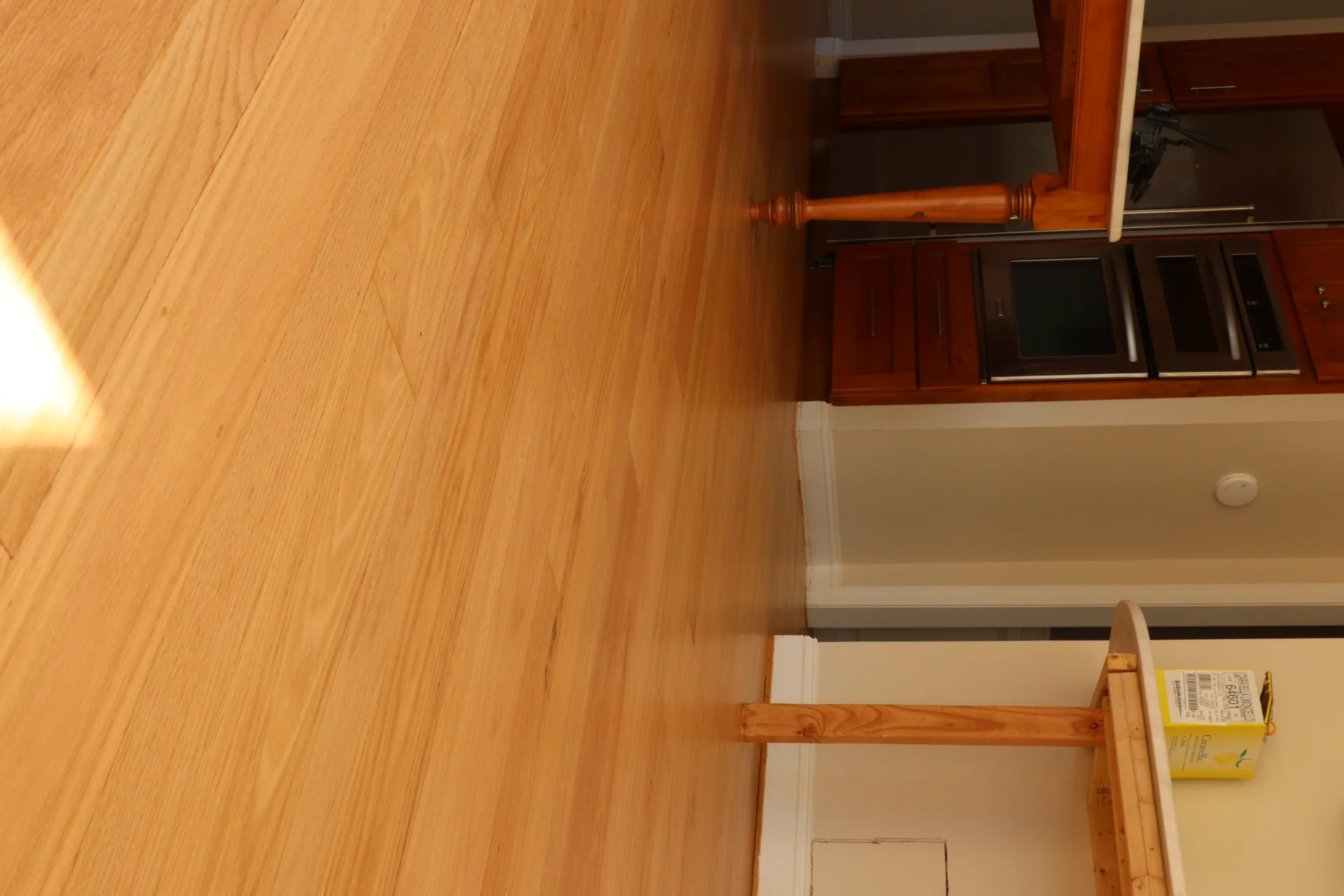
When considering hardwood flooring for your kitchen, the choice between solid and engineered wood is crucial, particularly concerning moisture and stability. Solid hardwood, prized for its classic appeal and ability to be refinished multiple times, consists of a single piece of wood. While beautiful, it’s more susceptible to expansion and contraction with changes in humidity, which can be a concern in a kitchen environment.
Engineered hardwood, on the other hand, is constructed with multiple layers of wood, topped with a real hardwood veneer. This layered construction provides superior dimensional stability, making it far more resistant to the moisture fluctuations common in kitchens. This enhanced stability reduces the likelihood of cupping or gapping, offering greater peace of mind. Many engineered options also come pre-finished with highly durable coatings, further adding to their kitchen-friendly attributes. For homeowners in Buckingham seeking a balance of luxury and practicality, engineered hardwood often presents a compelling case for kitchen installations.
Both types, when properly installed and maintained, can elevate the aesthetic of your kitchen. However, for areas prone to humidity and occasional spills, the inherent stability of engineered hardwood often makes it the more pragmatic and resilient choice, ensuring your floor remains impeccable for years to come.
The Indispensable Role of Finish: Aluminum-Oxide Polyurethane
Beyond the wood species itself, the finish applied to your hardwood floor is arguably the most critical factor for its performance in a kitchen. A high-quality finish acts as a protective shield against the daily rigors of spills, scratches, and foot traffic. For kitchens, an aluminum-oxide-fortified polyurethane finish is highly recommended due to its exceptional durability and resistance to abrasion.
Aluminum oxide is a microscopic, ceramic-like particle integrated into the polyurethane during the manufacturing process. This creates a finish that is significantly harder and more scratch-resistant than traditional polyurethane finishes, making it ideal for the demanding environment of a kitchen. A satin sheen is often preferred for kitchen hardwood floors. Unlike high-gloss finishes that can highlight every speck of dust or minor imperfection, a satin finish offers a subtle luster that effectively masks everyday wear, providing a sophisticated yet forgiving appearance.
Regular cleaning with appropriate products, as detailed in our guide on what products to use to clean hardwood floors, will help maintain the integrity of this robust finish. This combination of a durable species and a high-performance finish ensures that your kitchen hardwood floors remain beautiful and resilient.
Protecting Vulnerable Zones: Sinks and Dishwashers
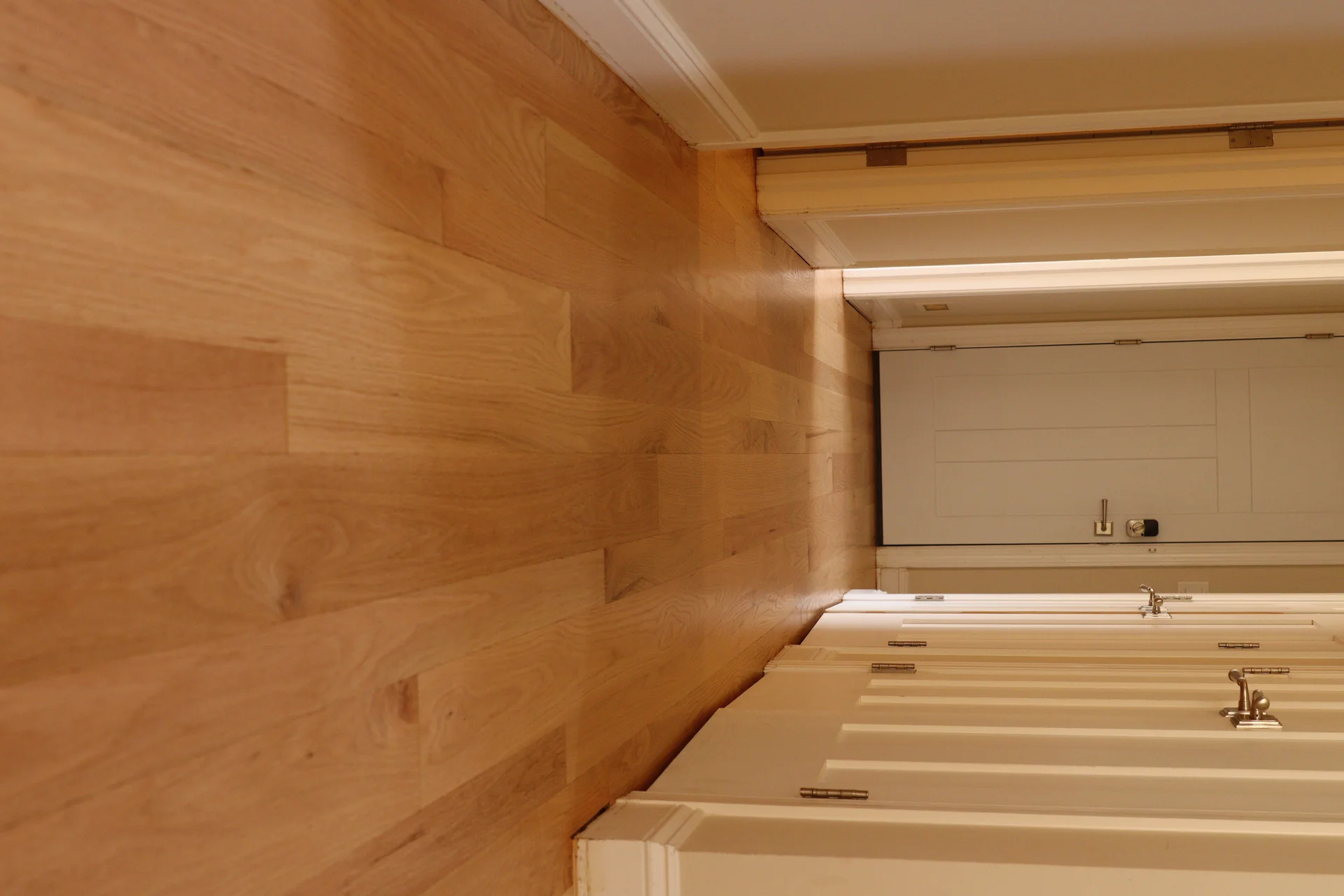
While hardwood is a beautiful choice, kitchens present specific moisture challenges, particularly around sinks and dishwashers. These areas are highly susceptible to water damage from drips, splashes, or leaks, which can lead to warping, cupping, or discoloration if not properly addressed. To mitigate these risks, a crucial step during installation is to apply a flexible silicone bead to all seams where the hardwood meets cabinets, especially around the sink and dishwasher. This creates a waterproof barrier, preventing moisture from seeping into the subfloor or beneath the planks.
Beyond professional sealing, diligent homeowner practices are essential. Any spills or splashes should be wiped up immediately. Even small, seemingly insignificant amounts of water can accumulate over time and cause damage. Consider using a small, absorbent mat in front of the sink, but ensure it is breathable and routinely lifted to allow the floor underneath to dry completely. The National Wood Flooring Association (NWFA) emphasizes that proper installation techniques and immediate spill cleanup are paramount for extending the life of hardwood in moisture-prone areas. By taking these proactive measures, your kitchen hardwood can withstand daily use without succumbing to moisture-related issues.
Smart Mat and Rug Strategy for Hardwood Kitchens
Mats and rugs can add comfort, style, and an extra layer of protection to your kitchen hardwood floors, particularly in high-traffic or spill-prone areas. However, their use requires a thoughtful strategy to avoid potential damage. The most crucial rule is to rotate your mats and rugs regularly. Leaving a rug in the same spot for extended periods can lead to uneven fading or discoloration of the wood underneath, especially if exposed to sunlight. Rotating them ensures that the entire floor ages consistently.
Equally important is the type of backing on your mats. Avoid rubber-backed rugs, as the rubber can trap moisture against the wood surface, leading to mold, mildew, or even chemical reactions that can permanently stain or discolor the finish. Instead, opt for breathable materials like natural fibers (cotton, jute, wool) or rugs with felt or non-staining vinyl backings. These allow air circulation, preventing moisture buildup. Furthermore, ensure that any mats used are clean and dry, as dirt and grit trapped underneath can act as an abrasive, scratching the finish with foot traffic. By implementing a smart mat and rug strategy, you can enhance both the aesthetics and protection of your kitchen hardwood.
Considering Alternatives: When Hardwood Isn’t the Only Answer
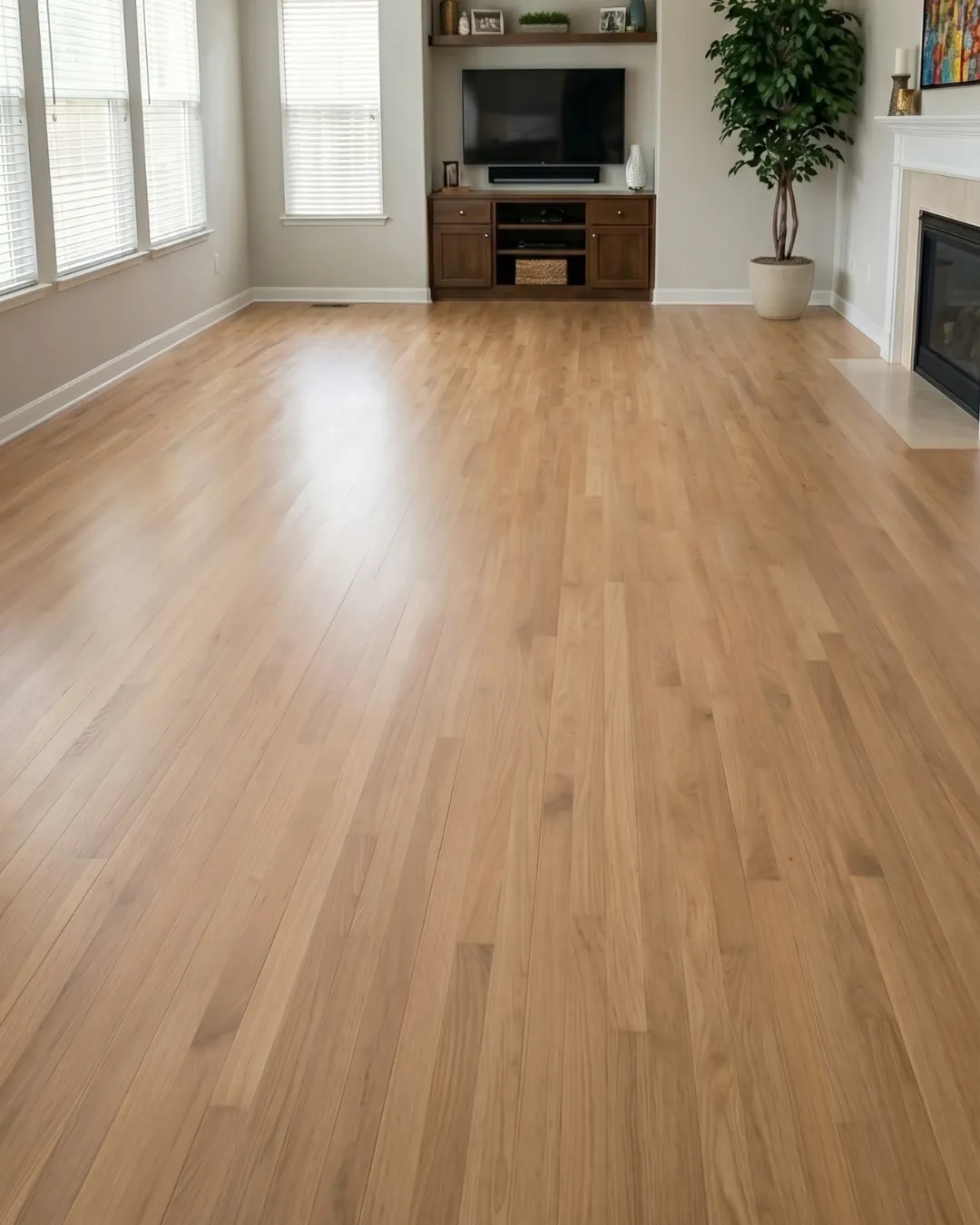
While the charm of authentic hardwood in a kitchen is undeniable, some homeowners may seek alternatives that offer different benefits, particularly regarding moisture resistance or maintenance. Bamboo flooring is often marketed as a hard and eco-friendly option, with some types boasting Janka ratings comparable to or even exceeding traditional hardwoods. However, bamboo’s performance in kitchens can be inconsistent. Its layered construction, similar to engineered wood, can still be susceptible to cupping or delamination if exposed to significant standing water or high humidity, especially around spills or leaks near the sink.
For those prioritizing extreme durability and waterproof properties, tile-look Luxury Vinyl Plank (LVP) flooring presents a compelling option. Modern LVP offers incredibly realistic wood and tile aesthetics, is entirely waterproof, and highly resistant to scratches and dents, making it an exceptionally low-maintenance choice for kitchens. While it doesn’t offer the genuine feel of wood, its practical advantages in a demanding kitchen environment are significant. You can explore vinyl flooring options or consider tile flooring if maximum water resistance is your primary concern. Ultimately, the best choice depends on your priorities for aesthetics, durability, and maintenance.
FAQ: Your Questions on Hardwood for Kitchens Answered
Common questions from homeowners considering the best hardwood for kitchens in Buckingham and surrounding areas.
What are the best hardwood species for kitchens?
The best hardwoods for kitchens are dense, durable species like hickory (Janka 1820*), white oak (1360*), and engineered hardwood with a robust finish. These options provide excellent resistance to dents and moisture. Avoid softer woods like pine or soft maple.
Why is Janka hardness important for kitchen floors?
The Janka hardness scale measures a wood’s resistance to denting and wear. In a kitchen, where dropped objects and heavy foot traffic are common, a higher Janka rating indicates a more durable floor that will better withstand impacts and maintain its appearance over time.
Is engineered hardwood better than solid hardwood for kitchens?
Engineered hardwood is generally preferred for kitchens due to its superior dimensional stability. Its layered construction makes it more resistant to the expansion and contraction caused by humidity fluctuations and minor spills, reducing the risk of warping or cupping.
What type of finish is recommended for kitchen hardwood floors?
An aluminum-oxide-fortified polyurethane finish is highly recommended for kitchen hardwood floors. This type of finish offers exceptional durability and scratch resistance. A satin sheen is often preferred as it helps to mask minor imperfections and daily wear.
How can I protect my hardwood floor near sinks and dishwashers?
During installation, apply a flexible silicone bead to all seams where the hardwood meets cabinets around sinks and dishwashers. Additionally, wipe up any spills immediately, and consider using breathable mats that are regularly lifted to allow the floor to dry.
Should I use mats or rugs over hardwood in the kitchen?
Yes, mats and rugs can offer protection, but they must be rotated frequently to prevent uneven fading. Avoid rubber-backed rugs, as they can trap moisture and stain the floor; instead, opt for breathable materials like natural fibers or those with felt or non-staining vinyl backings.
Explore Our Hardwood Flooring Services
- Comprehensive Hardwood Flooring Solutions
- Hardwood Flooring Installation in Buckingham, PA
- Maintaining Your Hardwood Floors
- Learn More About Engineered Wood Flooring
Ready to Install the Best Hardwood for Your Kitchen?
Choosing the **best hardwood for kitchens** involves a blend of aesthetic preference and practical considerations for durability and moisture resistance. At Tesla Hardfloor, we specialize in providing premium hardwood flooring solutions, expertly installed with meticulous attention to detail, ensuring your kitchen floor is both stunning and resilient. Our licensed and insured team offers personalized consultations to help you select the ideal species and finish, tailored to your home’s unique style and the demands of your kitchen.
Connect with us directly to discuss your project: Call Tesla Hardfloor: (215) 607-2734