
Blog
Why Your Hardwood Floor Looks Dull (And How to Bring the Shine Back)
There’s nothing quite like the natural warmth and elegance of hardwood floors, but over time, even the most beautiful wood can lose its luster and start to look dull. This isn’t just a cosmetic issue; it often signals underlying problems or simply the need for proper maintenance. Understanding why your hardwood floor looks dull is the first step toward restoring its original beauty.
The Hidden Culprits: Why Your Hardwood Floor Looks Dull in West Chester
The appearance of a dull hardwood floor in your West Chester home can be frustrating, especially when you try to clean it repeatedly without success. The key to addressing this issue lies in identifying the root cause. Often, it’s not simply “dirty” but a combination of factors affecting the finish and surface integrity.
1. Residue Buildup from Improper Cleaners
One of the most common reasons why hardwood floors lose their shine is the use of inappropriate cleaning products. Many homeowners reach for common household cleaners like Murphy Oil Soap, vinegar, or wax-based polishes (e.g., Pledge). While these might seem effective initially, they often leave behind a sticky, hazy film that dulls the surface. This residue not only traps dirt and dust, making your floors appear perpetually dirty, but it also reflects light poorly, diminishing the natural sheen of the wood. According to Bona, a leading floor care brand, using pH-neutral, residue-free cleaners is crucial for maintaining hardwood. For more insights on proper cleaning, explore our guide on what products you should use to clean hardwood floors and what to avoid.
2. Micro-Scratching: The Invisible Damage
Even if you’re careful, daily wear and tear can take a toll on your hardwood. Tiny particles of dirt, sand, and grit tracked in from outside act like sandpaper underfoot. Over time, this constant abrasion creates a multitude of microscopic scratches across the surface of your floor’s finish. Individually, these scratches are almost invisible, but collectively, they diffuse light rather than reflecting it cleanly, resulting in a hazy, dull appearance. Pet claws, moving furniture without proper pads, and high-traffic areas are common culprits for this type of damage.
3. Worn-Out Polyurethane Finish
Hardwood floors are typically protected by a clear polyurethane finish, which provides their characteristic shine and durability. However, this finish isn’t immortal. Over years of foot traffic, sunlight exposure, and general use, the polyurethane gradually wears down, especially in high-traffic pathways. Most polyurethane finishes are designed to last between 8 to 10 years* before showing significant wear. Once the finish thins or wears away, the raw wood underneath becomes exposed and vulnerable, and the floor loses its protective layer and its reflective qualities, making it appear dull and lifeless. The National Wood Flooring Association (NWFA) recommends regular maintenance and understanding when a recoat or full refinish is necessary to preserve the floor’s integrity and appearance. To understand the lifespan of your floors, read our article on how many times you can refinish hardwood floors.
*Pricing varies based on project scope, materials selected, and site conditions. Contact us for a personalized estimate.
Diagnosing the Dullness: A Simple Test
Before you decide on a solution, it’s helpful to determine whether residue or a worn finish is the primary cause of your hardwood floor’s dullness. This simple diagnostic test can provide clarity:
The 1×1 Foot Test Patch
- Choose an inconspicuous area: Select a small, dull section of your floor, perhaps in a corner or under a rug.
- Clean thoroughly: Using a clean microfiber cloth slightly dampened with a pH-neutral hardwood floor cleaner (such as Bona Hardwood Floor Cleaner), gently scrub a 1×1 foot* area. Avoid excessive moisture.
- Observe the results:
- If the area looks noticeably brighter and cleaner: The dullness is likely due to residue buildup. A thorough deep cleaning should restore much of the shine.
- If the area remains dull and hazy: The finish itself is likely worn or scratched. This indicates that a simple cleaning won’t suffice, and you’ll probably need a screen and recoat or a full refinish.
*Pricing varies based on project scope, materials selected, and site conditions. Contact us for a personalized estimate.
Bringing Back the Shine: Solutions for Dull Hardwood
Once you’ve diagnosed the cause, you can choose the most effective solution to revive your hardwood floors. From simple cleaning to professional refinishing, there’s a path to restore their original brilliance.
Solution 1: Deep Cleaning for Residue
If your test patch revealed that residue is the culprit, a specialized deep cleaning can make a significant difference. You’ll need a high-quality, pH-neutral hardwood floor cleaner designed to break down and remove buildup without leaving its own film. Follow the product instructions carefully, often involving spraying a small section and wiping immediately with a clean microfiber mop or cloth. You may need to repeat this process several times, changing cloths frequently, to fully lift stubborn grime. This can dramatically improve the appearance of your floor, especially if you’ve been using wax or oil-based products for years.
Solution 2: Screen and Recoat for Minor Wear
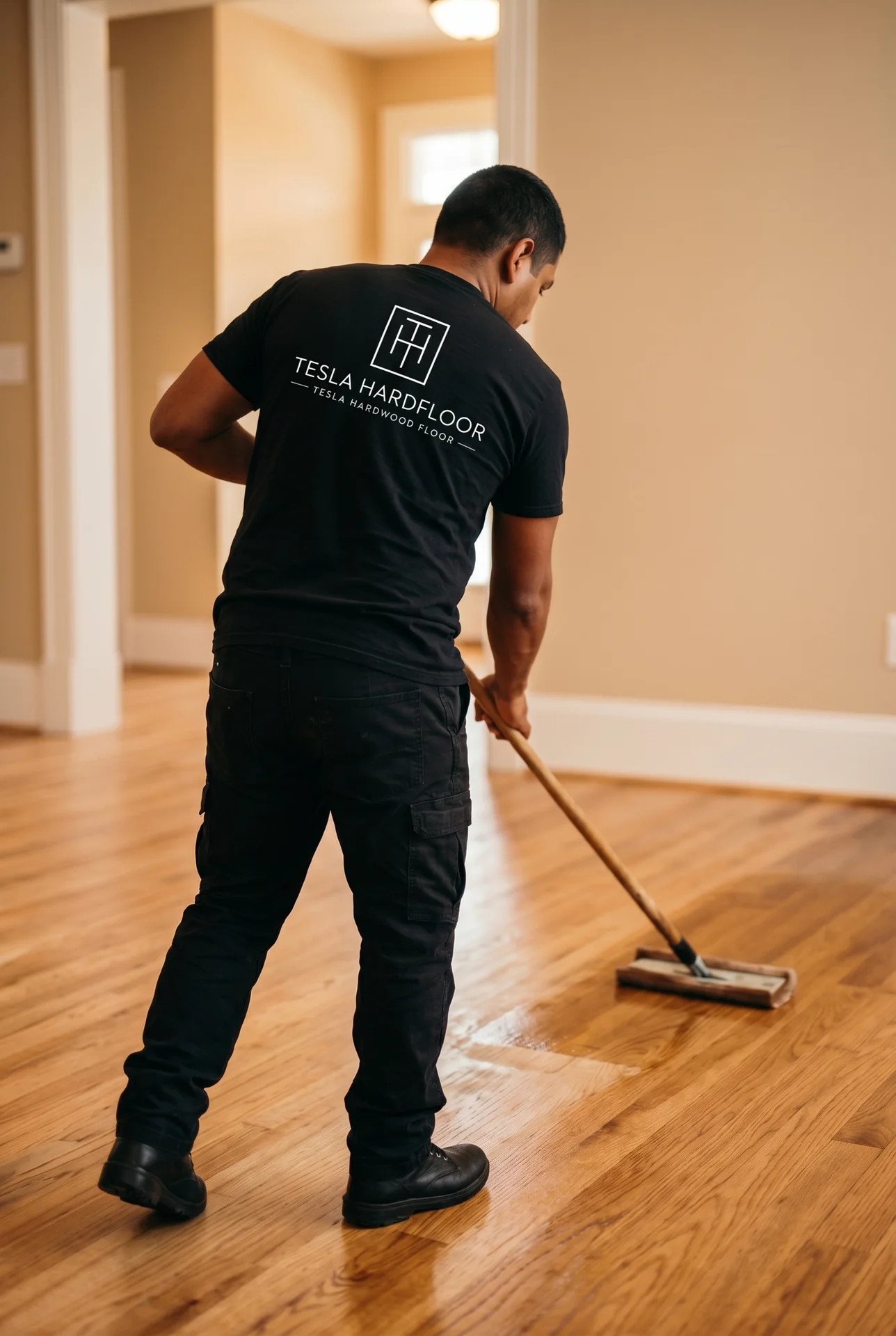
For floors with minor surface scratches and a generally intact finish, a screen and recoat (also known as buff and coat) can be an excellent option. This process involves lightly abrading the existing finish with a buffer (screening) to create a mechanical bond, and then applying one or two fresh coats of polyurethane. This revitalizes the top layer, filling in micro-scratches and restoring the shine, all without the need for full sanding. It’s a faster, less invasive, and more affordable option than a full refinish, often costing significantly less per square foot*. However, it’s only effective if the existing finish is not severely damaged or worn through to the bare wood. Learn more about professional recoating on our hardwood floor refinishing page.
Solution 3: Full Hardwood Floor Refinishing for Major Wear
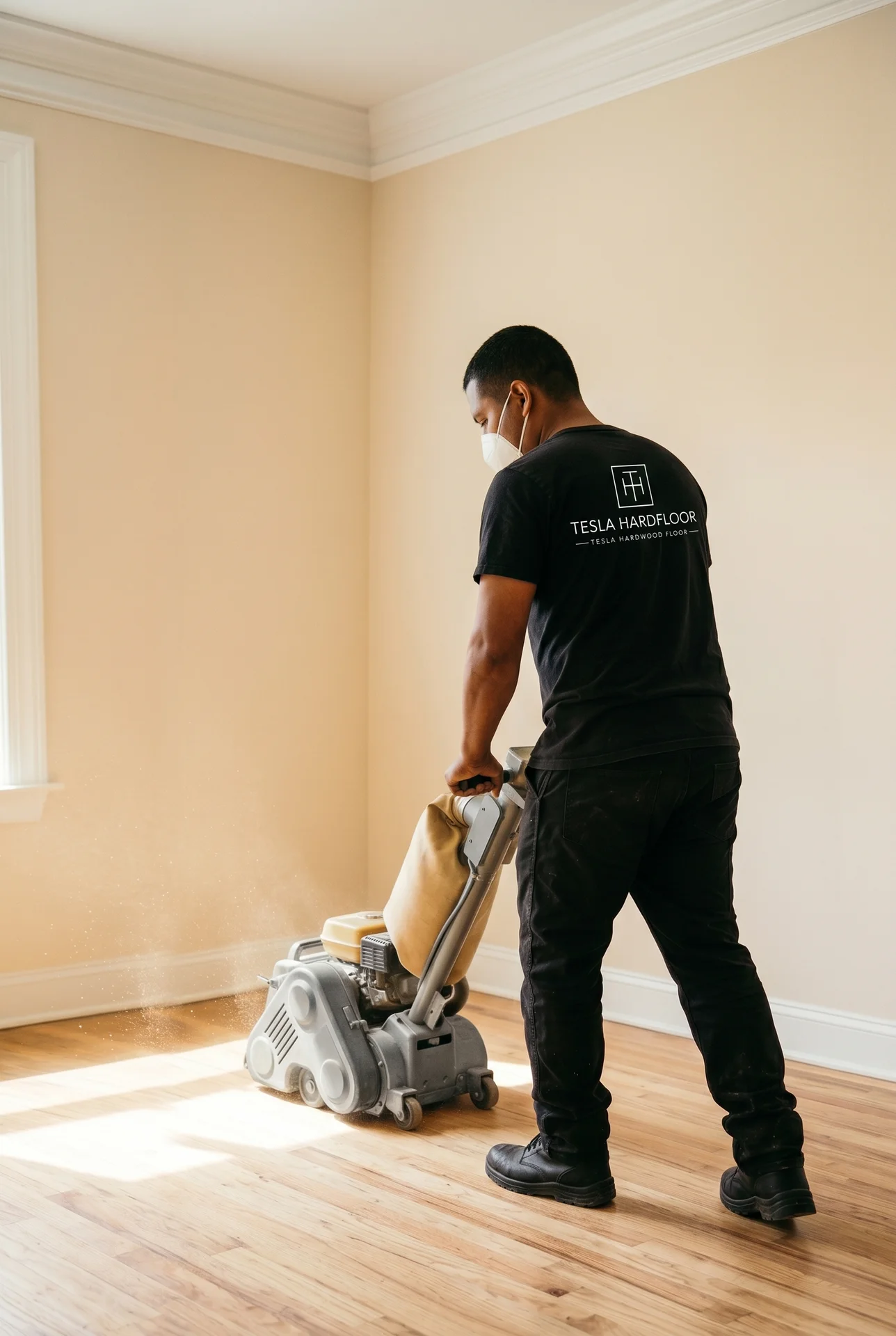
When your hardwood floor shows deep scratches, bare spots, widespread dullness that cleaning can’t fix, or if the finish has worn through to the wood, a full refinish is the most comprehensive solution. This involves sanding down the floor to bare wood, which removes all old finish, stains, and imperfections. After sanding, the floor can be stained a new color (or left natural) and then sealed with multiple coats of fresh, durable polyurethane. This process completely restores the floor, bringing it back to a like-new condition. While it’s a more involved project, it adds significant value and longevity to your home. Our team of licensed and insured professionals specializes in hardwood floor refinishing, ensuring a flawless result.
Preventative Measures: Keeping Your Floors Radiant
Once you’ve brought the shine back to your hardwood floors, maintaining that brilliance requires ongoing care. Simple habits can significantly extend the life of your finish and prevent future dullness:
- Use proper cleaning products: Stick to pH-neutral, residue-free hardwood floor cleaners recommended by manufacturers. Avoid all-purpose cleaners, oil soaps, and vinegar solutions.
- Regular cleaning: Sweep or vacuum (with a hardwood-safe attachment) daily or every other day to remove grit and dust that can cause micro-scratches. Damp mop with an approved cleaner as needed, typically once a week or every two weeks.
- Protective measures: Place doormats at all entryways to trap dirt and moisture. Use felt pads under all furniture legs to prevent scratching.
- Control humidity: Maintain indoor humidity levels between 35% and 55% to prevent wood expansion, contraction, and potential damage to the finish.
- Address spills immediately: Wipe up any spills promptly to prevent moisture from damaging the wood or leaving stains.
By adopting these practices, you can protect your investment and ensure your hardwood floors continue to look stunning for years to come. For more detailed advice, refer to our comprehensive guide on what products you should use to clean hardwood floors and what to avoid.
FAQ
Common questions about dull hardwood floors and how to restore their shine.
Why does my hardwood floor look dull after cleaning?
Your hardwood floor likely looks dull after cleaning due to residue buildup from inappropriate cleaning products like oil soaps, wax-based polishes, or vinegar. These leave a film that traps dirt and scatters light, diminishing the natural shine.
Can I fix a dull hardwood floor myself?
For dullness caused by residue, a deep clean with a professional, pH-neutral hardwood floor cleaner can often restore shine. For dullness caused by a worn finish or micro-scratches, professional services like a screen and recoat or a full refinish are typically required.
How can I tell if my hardwood floor needs refinishing or just a recoat?
Perform a simple test: clean a 1×1 foot area with a proper hardwood cleaner. If it remains dull, the finish is worn. If there are deep scratches, bare wood spots, or significant discoloration, a full refinish is likely needed. If only minor surface scratches and general dullness, a screen and recoat might suffice.
What types of cleaners should I avoid on hardwood floors?
Avoid oil-based soaps (like Murphy Oil Soap), wax-based products, vinegar, ammonia-based cleaners, and steam mops. These can leave residue, damage the finish, or introduce excessive moisture. Always use cleaners specifically formulated for hardwood floors.
How often should hardwood floors be refinished?
The lifespan of a hardwood floor finish typically ranges from 8 to 10 years*, depending on traffic, maintenance, and the type of finish. A screen and recoat can extend this, but a full refinish may be needed every 15-25 years* or when significant wear occurs.
Is a screen and recoat as effective as a full refinish?
A screen and recoat is effective for addressing minor surface dullness and light scratches, restoring shine without sanding down to bare wood. A full refinish, however, is a more comprehensive solution that removes all imperfections, including deep scratches and stains, providing a completely new surface and finish.
Explore Our Hardwood Flooring Services
- New Hardwood Floor Installation
- Professional Hardwood Floor Refinishing
- Hardwood Floor Recoating and Restoration
- Hardwood Floor Cleaning and Maintenance Advice
- Understanding Refinishing Timelines
- Caring for Your Newly Refinished Floors
Ready to Restore Your Hardwood’s Luster in West Chester?
Don’t let a dull hardwood floor diminish the beauty of your home. Whether the issue is residue buildup, micro-scratches, or a worn-out finish, our expert team at Tesla Hardfloor is ready to help. We offer comprehensive hardwood floor services, from deep cleaning and recoating to full refinishing, all designed to bring back the radiant shine to your floors. If your hardwood floor looks dull, contact us today for a free, in-home consultation in West Chester and surrounding areas.
Prefer to speak with us directly? +1 (234) 567-890 (Placeholder, as no phone was provided for this client)