Blog
Hardwood Floor Installation vs Refinishing in Pennsylvania: The Simple Way to Choose
If your floors look tired, scratched, or outdated, you’re usually stuck between two options: install brand-new hardwood or refinish what you already have. Both can look incredible — but the “right” choice depends on a few details most people overlook.
This post is designed to save you time and frustration. You’ll learn: how to decide in minutes, what the process feels like inside your home, what timelines look like in real life, and how to avoid the most common regrets homeowners mention after the job is done.
First, the “real” question isn’t install vs refinish
Most homeowners think the decision is about budget. Sometimes it is — but more often, it’s about the outcome you want. Are you trying to upgrade the look without changing the floor? Or are you trying to change the floor itself?
Refinishing is a transformation of the surface: you’re keeping the same floor and bringing it back to life. Installation is a structural upgrade: you’re building a new floor system — which matters when the existing floor is compromised, outdated in layout, or simply not what you want anymore.
Quick decision guide: install or refinish?
Choose hardwood installation when:
- The floor is beyond sanding depth (warping, severe water damage, major structural issues).
- You want a different look (new width, species, direction, or layout).
- You’re remodeling and want to “reset” the space with a premium finish.
- You’re replacing carpet or upgrading from another flooring type and want a true hardwood feel.
Choose hardwood refinishing when:
- The boards are solid but the finish looks scratched, dull, or uneven.
- You like the character of your current floor and want it to look new again.
- You want a high-impact upgrade without replacing the entire floor.
- You want to modernize the tone (lighter, warmer, more natural) while keeping the existing wood.
What hardwood installation actually changes (and why it feels “premium”)
A great hardwood installation isn’t just “putting boards down.” What makes it feel premium is the hidden work: the preparation underneath, the clean transitions, and the way everything lines up so the floor feels intentional — not patched together.
When installation is the right choice, the benefit is clarity: you’re not working around old limitations. You choose the width, the tone, the direction, the transitions, and the finishing details that match your home. That’s why installation is often the best move when you want a dramatic change — not just an improvement.
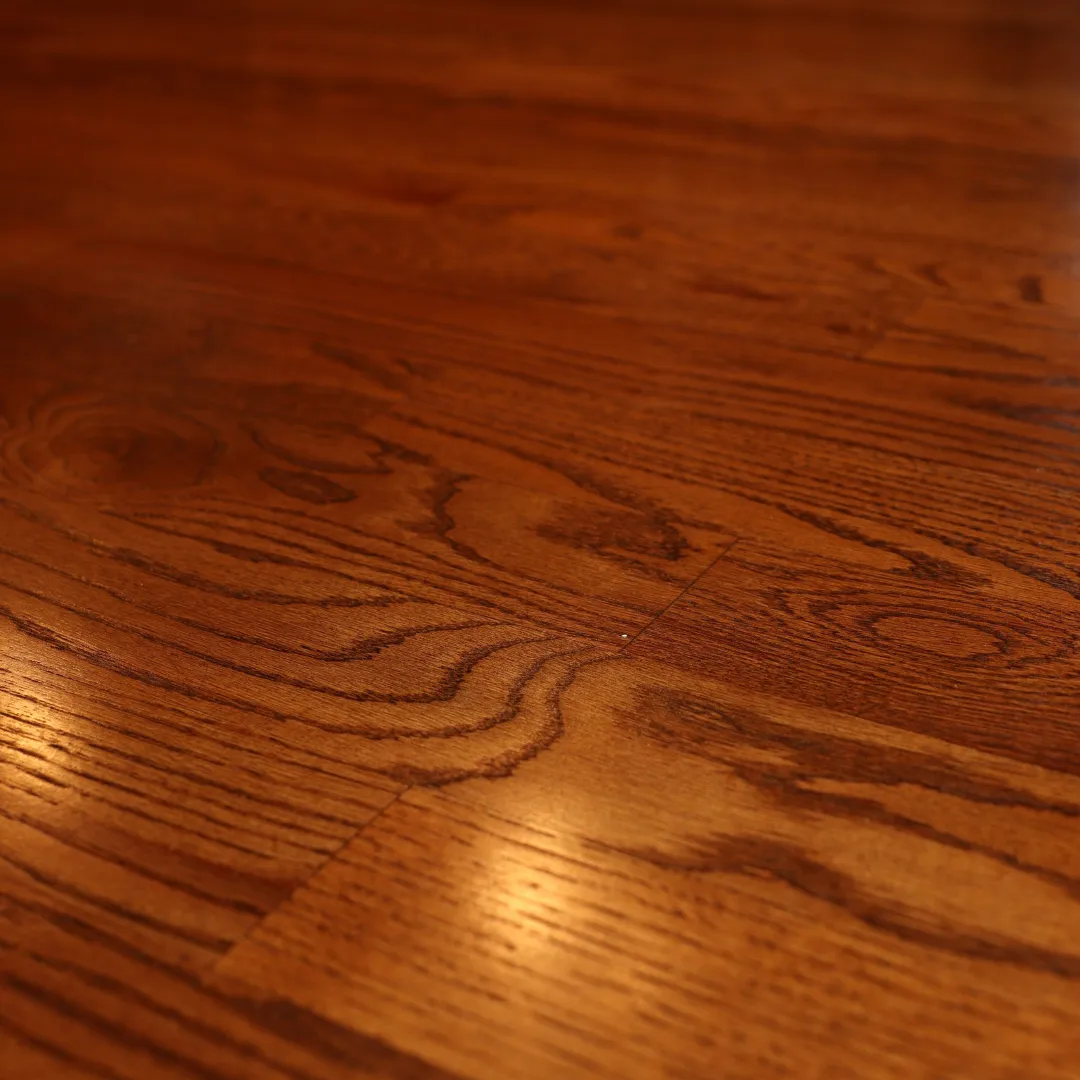
What typically affects installation timelines
Homeowners often ask, “How long will it take?” The honest answer: it depends on the scope. The biggest timeline drivers are usually subfloor prep, stairs, transitions, and whether the space needs leveling.
If a floor looks “almost flat,” it can still create squeaks and uneven feel after installation. That’s why subfloor prep is non-negotiable when you want a clean finish that lasts.
What refinishing changes (and why it’s the highest-impact “same floor” upgrade)
Refinishing is the option homeowners love when the floor is structurally worth keeping. It’s the closest feeling to “new floors” without actually replacing boards. Scratches disappear, the tone looks refreshed, and the entire home feels cleaner and brighter.
The key is setting the right expectation: refinishing restores and modernizes — but it doesn’t change the underlying layout or fix structural issues the wood may already have. That’s why the evaluation matters before committing.
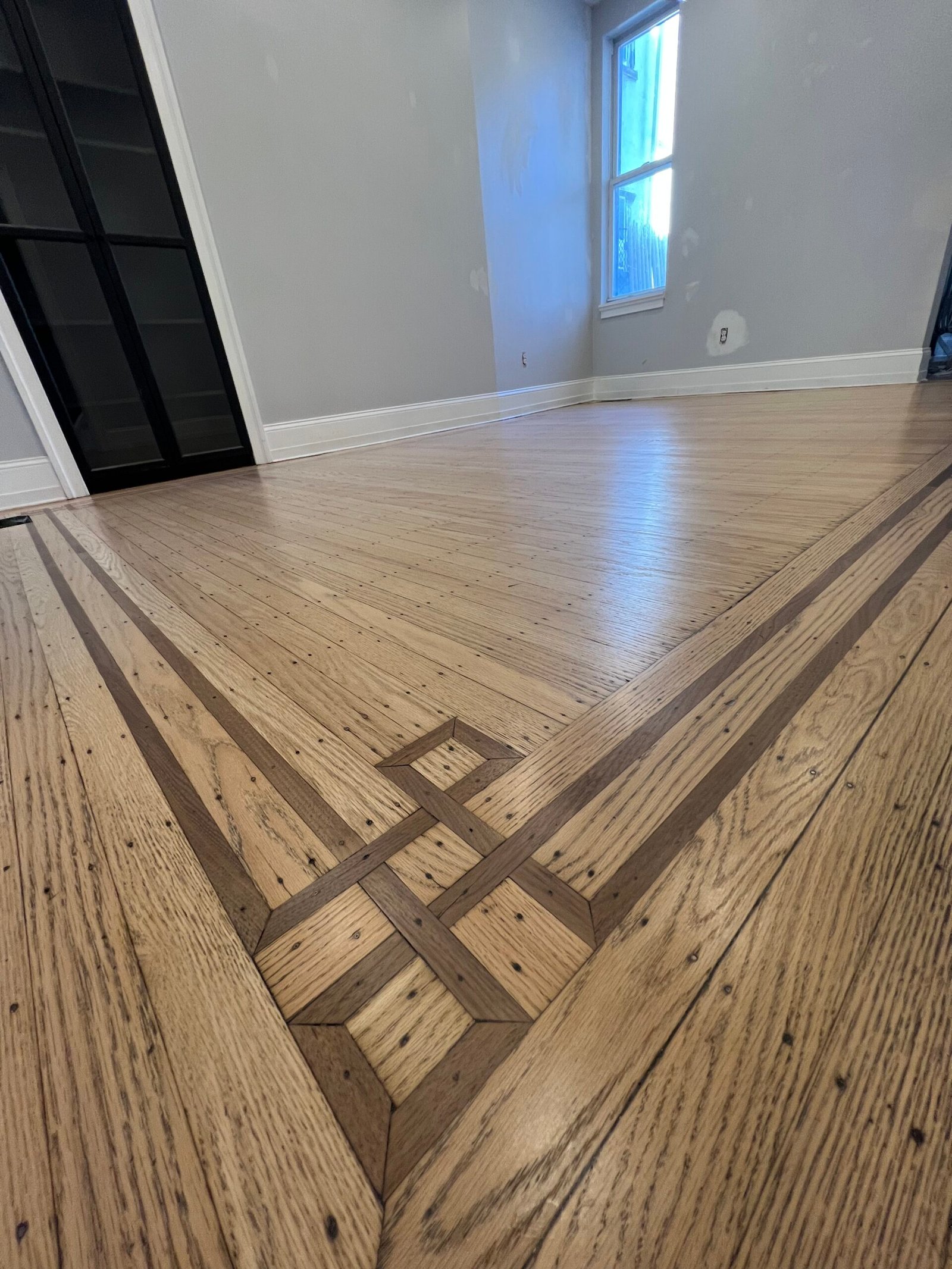
Dust, smell, and living at home during refinishing
The most common fear is dust — and it’s a fair concern. Professional sanding should use dust-control practices, but no one should promise “zero dust.” A clean process is about controlled sanding, proper protection, and a real plan for cleanup.
Can you stay in the home? Often yes, but you’ll need a traffic plan. Some homeowners refinish one level at a time; others plan a short stay elsewhere depending on the scope and cure time. The best approach is the one that protects the finish — because a rushed return to heavy foot traffic can mark a fresh surface.
The mistakes that create regret (and how to avoid them)
Most regret comes from one thing: choosing the option that doesn’t match the real goal. Here are the big mistakes we see homeowners run into:
- Choosing based on price only instead of choosing based on outcome and scope.
- Not clarifying what’s included (transitions, stairs, trim, leveling, cleanup, timeline).
- Skipping subfloor prep (leads to squeaks, uneven feel, and visible issues later).
- Picking a finish that doesn’t fit your lifestyle (pets, kids, high traffic).
- Rushing cure time and accidentally damaging a fresh finish.
What most homeowners choose in Eagleville, West Chester, Pottstown, and Lansdale
In these areas, many homeowners want the same thing: a floor that looks clean, modern, and timeless — without a “busy” finish. That’s why matte and satin finishes are common choices. They’re forgiving, they look premium, and they tend to hide daily wear better than high-gloss.
If you’re planning to stay in the home, refinishing often wins when the boards are solid. If you’re remodeling or changing layouts, installation becomes the smarter move because it gives you full control over the final look.
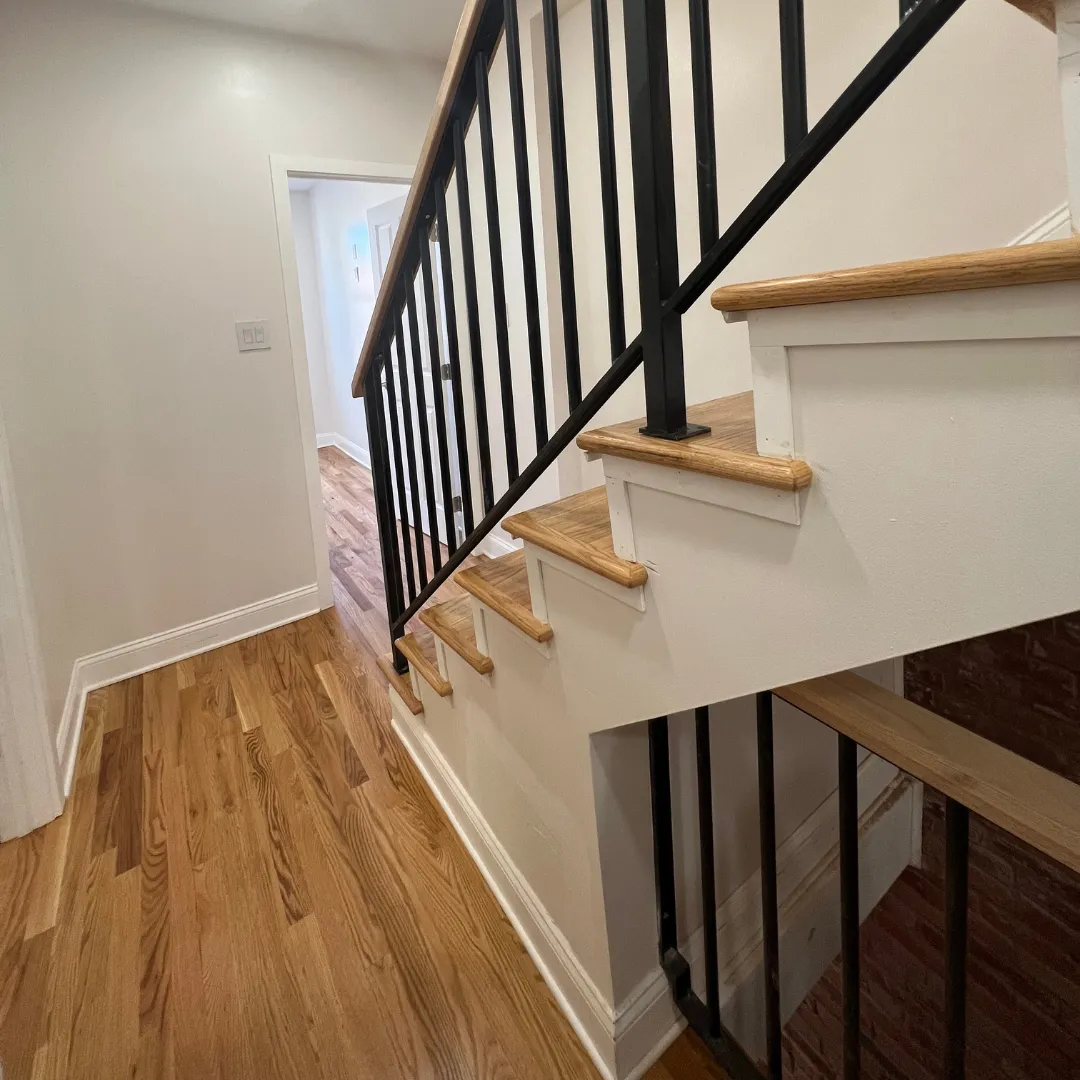
FAQ
These are the most common questions homeowners ask before starting a hardwood installation or refinishing project.
How do I know if my floors can be refinished?
If the boards are structurally solid and there’s enough sanding depth left, refinishing is often possible. A quick evaluation confirms it fast.
Which option adds more value: installation or refinishing?
Both can add strong perceived value. Installation is best when you want a new look, layout, or wood type. Refinishing is ideal when the floor is solid and you want a major upgrade without replacement.
Will refinishing create a lot of dust?
Professional sanding should use dust-control practices, but “zero dust” isn’t realistic. The goal is a controlled process with proper protection and cleanup.
Can we stay in the house during installation or refinishing?
In many cases, yes — depending on scope, room access, and cure time. Most homeowners just need a simple plan for traffic flow and furniture.
How do I choose the right finish (matte, satin, gloss)?
Matte and satin hide daily wear better and usually look more modern. Gloss reflects more light but can show traffic patterns and imperfections more easily.
What should be included in a real hardwood quote?
It should clearly list the scope: subfloor prep, leveling (if needed), transitions, stairs, trim details, protection, cleanup, and timeline — so you can compare apples to apples.
Want a clear recommendation for your home?
If you’re in Eagleville, West Chester, Pottstown, or Lansdale and want to know whether installation or refinishing is the right move, the fastest next step is a quote evaluation.
Prefer a direct link? https://teslahardwoodfloor.com/#form