
Blog
Herringbone Hardwood Floor Installation in Radnor, PA: Design Choices and What to Expect
Herringbone hardwood floor installation in Radnor, PA, offers a sophisticated way to elevate your home’s aesthetic, creating an enduring statement of style. This classic pattern, known for its distinctive V-shape, adds a luxurious depth and visual interest that standard plank layouts simply cannot achieve. However, achieving this intricate design requires meticulous planning, precise execution, and a deep understanding of hardwood characteristics.
Whether you are considering solid or engineered hardwood, understanding the nuances of herringbone installation is key to a successful and stunning outcome. We’ll explore the design choices, what to expect during the process, and why this elegant flooring remains a favored option for discerning homeowners.
Herringbone Hardwood Floor Installation in Radnor, PA: The Process and Its Allure
The allure of herringbone flooring lies in its timeless elegance and dynamic visual appeal, making it a highly sought-after choice for homeowners seeking to infuse their spaces with a sense of grandeur. The installation process for herringbone hardwood floors is considerably more intricate than traditional straight-lay patterns, demanding specialized skills and a keen eye for detail. This is why selecting experienced hardwood flooring professionals in Radnor, PA is paramount.
Each piece of hardwood is cut to precise dimensions and laid at a 90-degree angle to create the signature zigzag effect. This requires careful measurement, precise cuts, and often involves more material waste compared to standard installations. The result, however, is a floor that acts as a true work of art, enhancing the perceived spaciousness and luxury of any room.
The popularity of “hardwood flooring” in Pennsylvania and New Jersey, according to Google search data, peaks in September (~9,900 searches/month) and is lowest in June (~5,400 searches/month), highlighting a consistent demand for quality hardwood solutions throughout the year. For homeowners exploring expert hardwood flooring installation services, herringbone offers a unique blend of classic charm and modern sophistication.
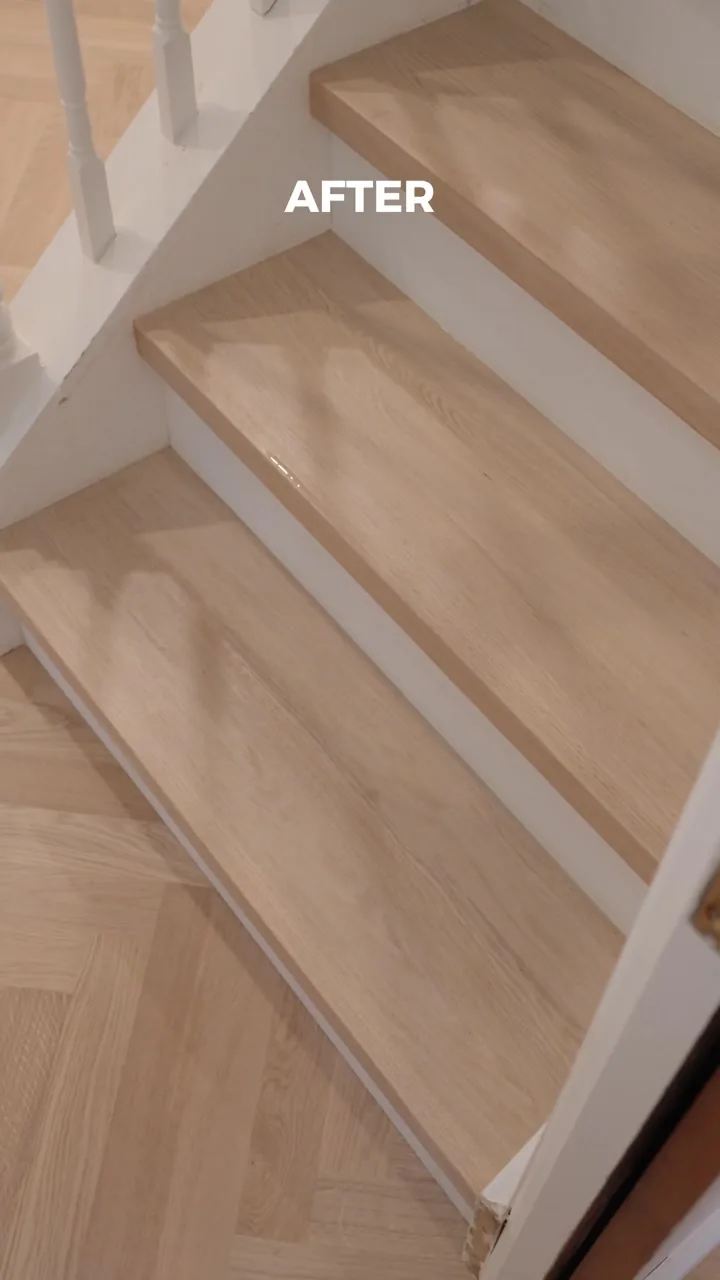
Solid vs. Engineered Hardwood for Herringbone Patterns
When considering herringbone hardwood floor installation, homeowners often weigh the merits of solid versus engineered hardwood. Both can achieve the desired pattern, but they offer distinct advantages tailored to different needs and environments.
Solid Hardwood for Herringbone
- Authenticity and Durability: Solid hardwood planks are crafted from a single piece of timber, offering unparalleled authenticity and longevity. They can be refinished multiple times over decades, making them a long-term investment. This aligns with the search interest in “solid hardwood flooring” (1,600/mo).
- Aesthetic Depth: The natural variations in solid wood contribute to a rich, organic look that deepens with age.
- Installation Considerations: Solid hardwood requires precise acclimation to your home’s humidity levels before installation to prevent warping or gapping. It is typically nailed down over a wood subfloor.
Engineered Hardwood for Herringbone
- Stability in Varying Conditions: Engineered hardwood is constructed with multiple layers of wood, topped with a real hardwood veneer. This cross-ply construction makes it more stable and less susceptible to changes in humidity and temperature, making it suitable for areas where solid wood might be prone to movement. This is relevant to “engineered hardwood flooring” searches (2,900/mo).
- Versatile Installation: Engineered wood can be installed over various subfloors, including concrete, and can be floated, glued down, or stapled. For an in-depth comparison, explore our guide on solid versus engineered hardwood options.
- Refinishing Potential: While not as many times as solid wood, many engineered hardwood products can be refinished at least once or twice, depending on the thickness of the top layer.
Design Choices: Wood Species, Color, and Finish
The beauty of herringbone is further enhanced by your choices in wood species, color, and finish. Each element plays a crucial role in defining the final character of your floor.
Wood Species
Popular choices like white oak and red oak are favored for their durability and grain patterns that beautifully complement the herringbone design. “White oak hardwood flooring” is a significant search term (1,600/mo), indicating its popularity. Maple, walnut, and hickory also offer unique aesthetics. The hardness of the wood (measured by the Janka scale) is an important consideration for high-traffic areas.
Color and Stain
From light, airy tones that expand a space to rich, dark hues that create a sense of intimacy and drama, the color palette is vast. Custom staining allows for a truly bespoke look, ensuring your herringbone floor perfectly harmonizes with your interior design vision.
Finish Type
The finish protects the wood and dictates its sheen. Options range from matte, which offers a natural, understated look, to satin or semi-gloss, providing a subtle or pronounced luster. The finish also impacts maintenance and the floor’s resilience to daily wear.
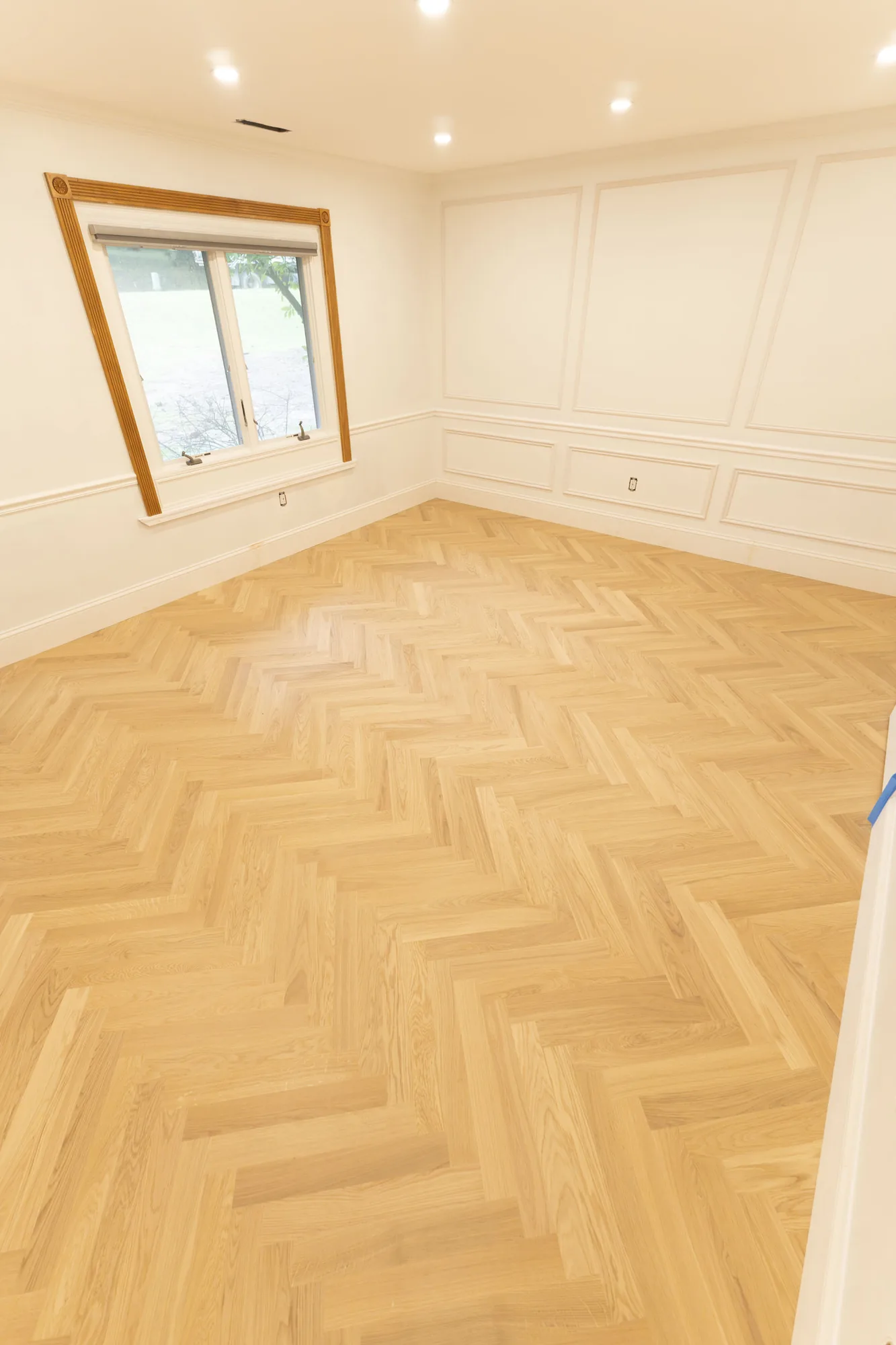
What to Expect During Herringbone Installation
A successful herringbone hardwood floor installation requires meticulous attention to detail and a structured approach. Understanding the typical steps involved can help you prepare for the transformation of your Radnor home.
- Subfloor Preparation: The subfloor must be perfectly clean, dry, and level. Any imperfections will telegraph through the finished floor, compromising both aesthetics and longevity. This critical step ensures the stability required for the intricate pattern.
- Layout and Design Planning: The precise starting point and angle of the herringbone pattern are crucial. Our licensed and insured installers carefully plan the layout, often snapping chalk lines or using laser guides to ensure perfect alignment and symmetry throughout the room.
- Precise Cutting and Fitting: Each hardwood piece is cut to specific lengths and angles to form the characteristic V-shape. This demands specialized tools and skilled craftsmanship to achieve tight seams and a seamless flow. We pride ourselves on the precision that defines a truly chique installation.
- Adhesion or Nailing: Depending on the type of hardwood (solid or engineered) and the subfloor, the planks are either glued down with high-quality adhesives or nailed directly to the subfloor. For engineered wood, a floating installation may also be an option.
- Finishing Touches: After installation, the floor is typically sanded (if unfinished solid wood) and multiple coats of a protective finish are applied. This not only seals and protects the wood but also enhances its natural beauty and chosen sheen.
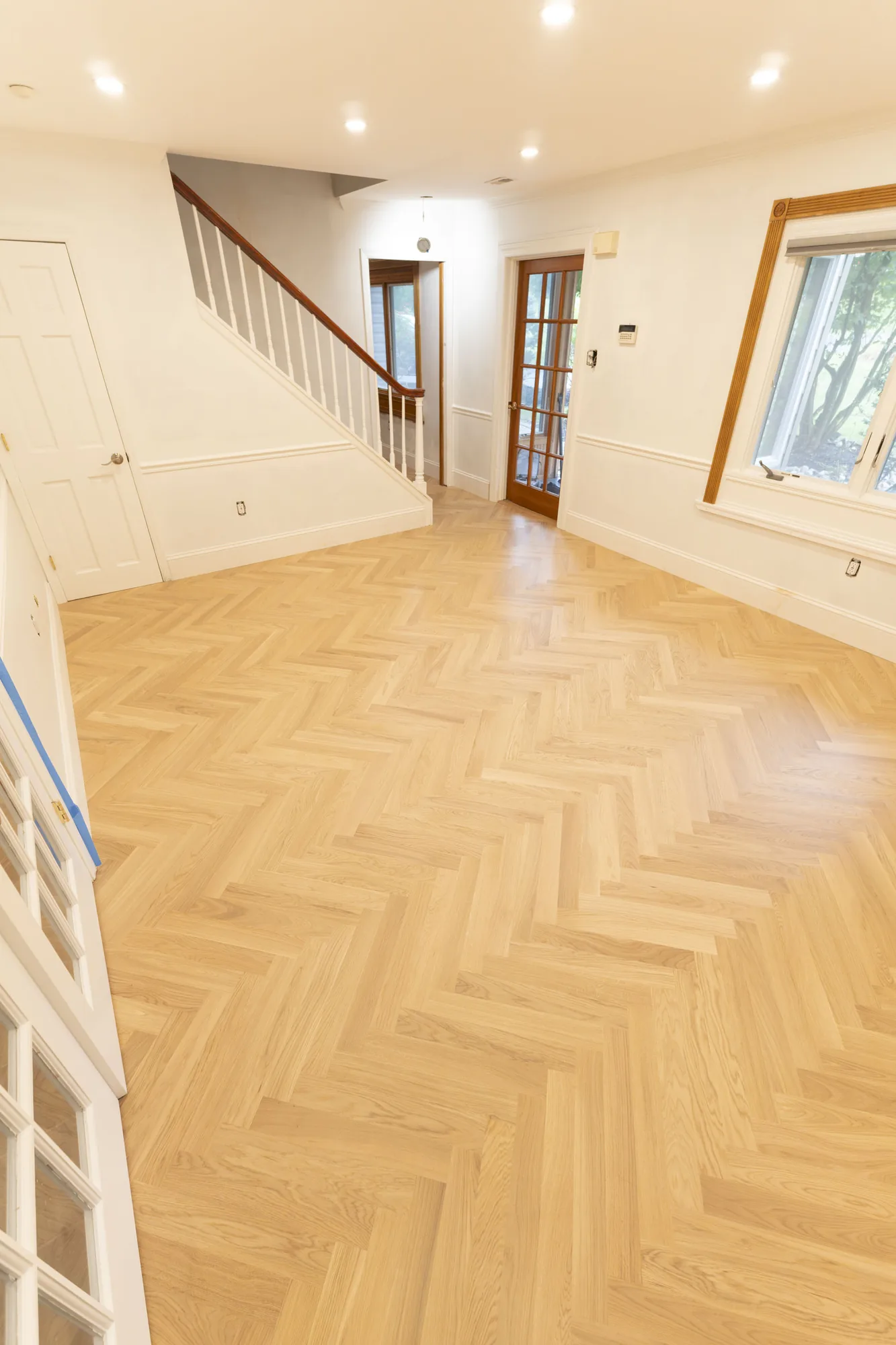
The comprehensive approach to herringbone installation ensures that your new floors are not just visually stunning but also durable and long-lasting. For an example of our commitment to excellence, you might be interested in a recent herringbone hardwood floor installation project we completed.
Maintaining Your Herringbone Hardwood Floors
Once your stunning herringbone hardwood floors are installed, proper maintenance is essential to preserve their beauty and longevity. Regular care will protect your investment and keep your floors looking exquisite for years to come.
- Routine Cleaning: Daily sweeping or vacuuming with a soft brush attachment will remove dust and debris that can scratch the finish. For deeper cleaning, use a hardwood-specific cleaner and a damp (not wet) mop.
- Protect from Moisture: Hardwood is susceptible to water damage. Promptly wipe up spills and avoid excessive moisture during cleaning. Use mats at entryways to minimize tracked-in water and dirt.
- Prevent Scratches: Place felt pads under furniture legs and use rugs in high-traffic areas. Avoid walking on the floors with high heels or abrasive footwear.
- Control Humidity: Maintain consistent indoor humidity levels (ideally between 35-55%) to prevent the wood from expanding or contracting, which can lead to gapping or warping.
- Professional Refinishing: Over time, the finish may wear down. Depending on the wood type and wear, professional hardwood floor refinishing can restore your floors to their original luster.
FAQ
Common questions about herringbone hardwood floor installation from homeowners in Radnor, PA.
How to install herringbone hardwood floor?
Herringbone hardwood floor installation requires precise subfloor preparation, meticulous layout planning, and expert cutting and fitting of each plank at a 90-degree angle. It’s a complex process that demands professional skill to ensure the pattern is perfectly aligned and the floor is stable.
How to install herringbone engineered wood flooring?
Herringbone engineered wood flooring can be installed using glue-down, nail-down, or sometimes floating methods, depending on the product and subfloor. The multi-layered construction of engineered wood provides greater stability, making it a versatile choice for the intricate herringbone pattern.
Should I get herringbone flooring?
You should consider herringbone flooring if you desire a luxurious, visually striking, and timeless aesthetic that adds significant character to your home. It’s a premium design choice often favored in high-end residences for its sophisticated appeal and ability to make a space feel more expansive.
When to use herringbone flooring?
Herringbone flooring is ideal for formal living areas, dining rooms, spacious entryways, and master bedrooms where you want to make a grand design statement. It works beautifully in both traditional and contemporary settings, adding an element of classic elegance.
Does herringbone hardwood flooring require a greater investment?
Yes, herringbone hardwood flooring typically represents a greater investment than standard plank installations due to the increased labor intensity, specialized skill required, and often higher material waste from precise cutting. The intricate pattern demands more time and expertise, contributing to the overall project scope.
What types of hardwood are best suited for herringbone patterns?
Oak (both white and red) is a popular choice for herringbone patterns due to its durability, classic grain, and availability. Other suitable species include maple, walnut, and hickory, which offer distinct colors and hardness levels that can beautifully complement the intricate design.
Explore Our Services
- Hardwood Flooring Installation
- Hardwood Floor Refinishing
- Stair Installation & Restoration
- Engineered Wood Flooring
Ready for a Sophisticated Herringbone Hardwood Floor in Radnor, PA?
Elevate your home with the timeless elegance of a herringbone hardwood floor. Our licensed and insured team specializes in herringbone hardwood floor installation in Radnor, PA, delivering precision and a polished finish that reflects the sophisticated aesthetic you desire. We come to you for a no-cost estimate.
Prefer to speak directly? Call us: +1 (215) 607-2734