Blog
How to Prepare Your Home for Hardwood Floor Installation (PA Checklist)
Hardwood floors look simple when they’re finished — but the smooth result comes from planning. The good news: you don’t need to overthink it. You just need the right checklist, in the right order, so installation day feels organized instead of stressful.
Below is a practical, homeowner-friendly guide to prepare your home: furniture, access, pets, dust control, timeline expectations, and what to do right after the install so you protect the finish.
Why preparation matters more than most people think
Most installation delays happen for the same reasons: blocked access, furniture still in place, unclear room boundaries, and last-minute surprises (like baseboard issues or uneven subfloor areas).
Preparation isn’t about making life harder — it’s about making the job faster, cleaner, and more predictable. When the space is ready, the crew can focus on precision: layout, alignment, transitions, and finishing details.
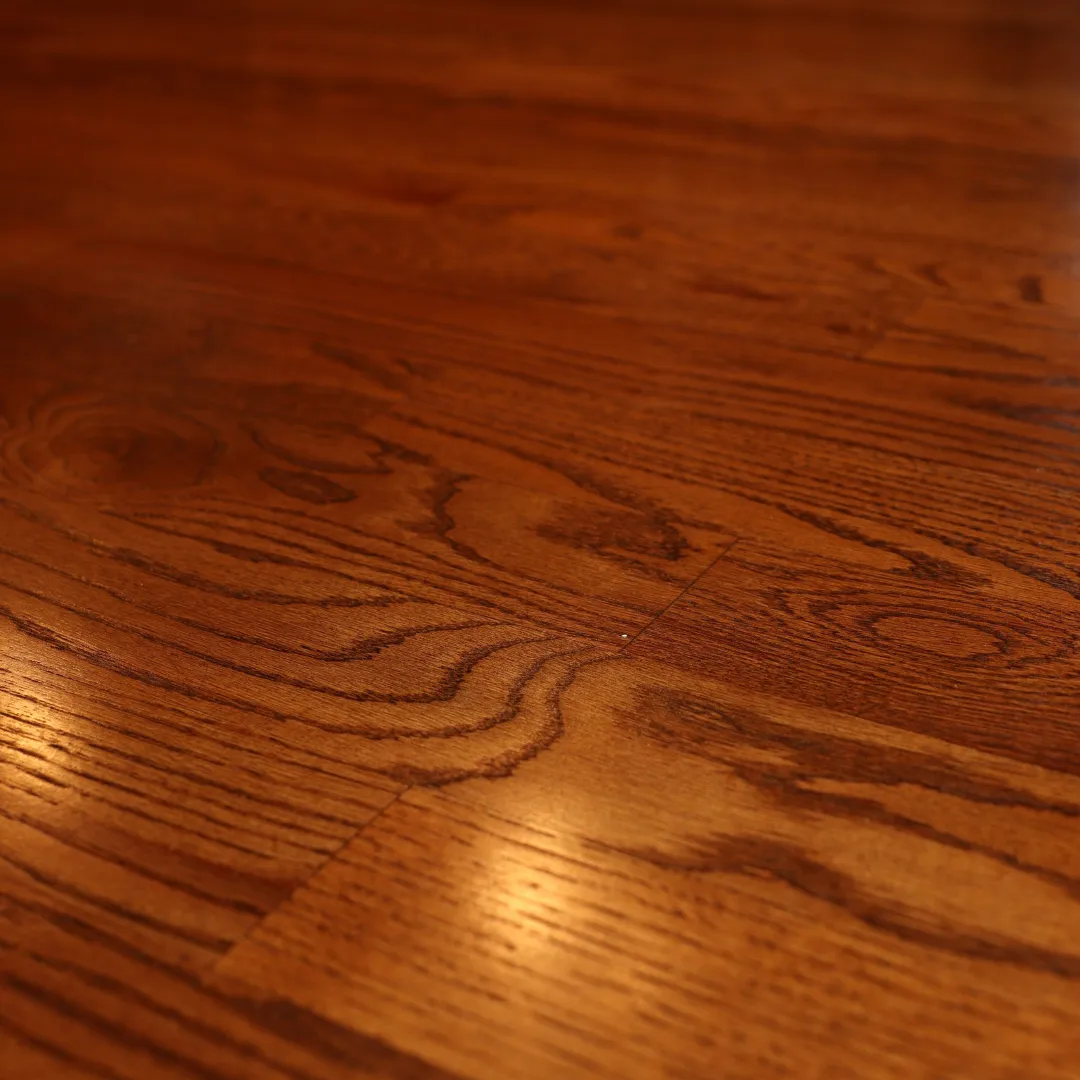
The simple checklist: what to do before installation day
Clear the rooms (and do it early)
The biggest time-saver is clearing the space before installation begins. If the room is still half-full, the install turns into a move-and-install cycle — slower, more expensive, and less predictable.
- Move furniture out of the installation area, or into a clearly defined staging zone if the plan allows.
- Remove rugs, mats, and floor vents (if applicable).
- Take down fragile wall décor near work zones — vibration and tool movement happen.
Create a clean path from the entry to the work area
A clear path protects your walls and keeps the project controlled. It also speeds up material movement, which matters more than people expect on multi-room installs.
- Clear hallways and stairways (especially corners and tight turns).
- Leave space for unloading and staging materials close to the work zone.
- Keep entry space open for protective coverings and cleanup flow.
Plan for pets and kids (this is non-negotiable)
Installation is not a safe environment for pets or young kids. Even calm pets can panic with noise and unfamiliar equipment. Your best move is to decide ahead of time where they’ll stay.
- Use a closed room far from the work area, a friend’s home, or boarding/daycare.
- Set a “no crossing” rule for the work zone (even if it looks quiet).
- Keep doors closed so dust and debris stay contained.
What to expect about dust and cleanliness (realistic version)
Hardwood installation is usually cleaner than refinishing, but it’s still construction work. There will be cutting, movement of materials, and normal job-site debris.
The goal isn’t to pretend dust won’t exist — it’s to control it: protect adjacent areas, manage airflow, and avoid tracking debris throughout the home.
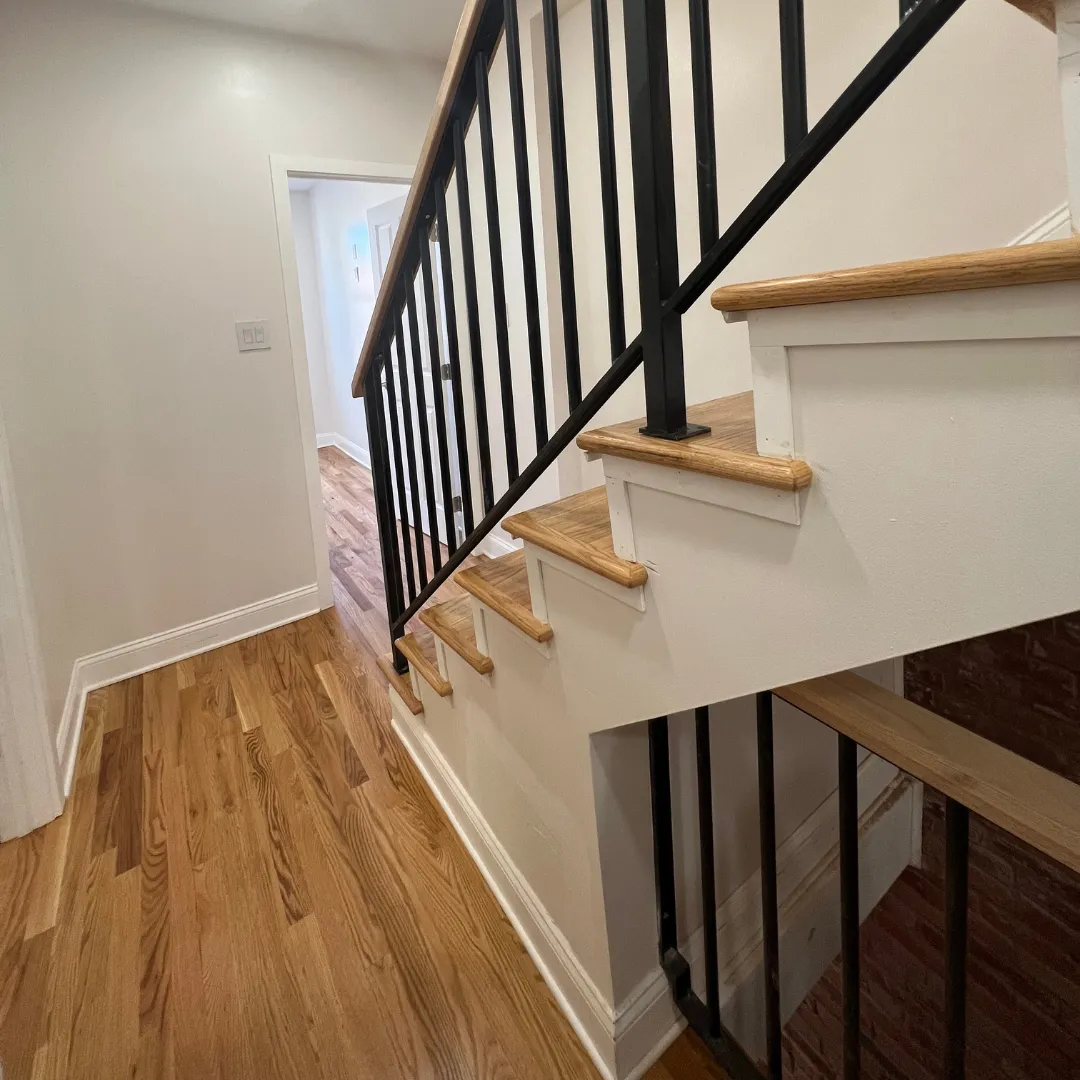
Protect the details you care about
- Cover valuables and electronics in nearby rooms (fine dust can travel).
- Ask how to handle HVAC during the project (airflow can spread dust).
- Decide where debris will be staged so the main entry doesn’t become a bottleneck.
The “after install” checklist (this protects your investment)
The most common post-install mistake is treating the floor like it’s fully ready immediately. New floors often need a short window of “smart use” so the finish stays perfect.
First 24–72 hours
- Follow the crew’s guidance on traffic (often socks-only while final checks happen).
- Avoid dragging furniture. Lift and place.
- Use felt pads before bringing furniture back.
- Keep pets off the floor until you’re told it’s safe.
Furniture move-in: do it the right way
If you’re moving heavy items, use a plan: felt sliders, proper lifting, and padding. One dragged couch can create a scratch that’s hard to ignore.
FAQ
These are the most common questions homeowners ask before hardwood installation day.
Do I need to move all furniture out before hardwood installation?
In most cases, yes. The more open the workspace, the faster and cleaner the installation will be. If a room can’t be fully cleared, you’ll need a plan for staging furniture outside the work zone.
Can I stay in the home during hardwood installation?
Often yes. Most homeowners just need a traffic plan (clear paths, closed doors, and a no-crossing rule for work areas). The best approach depends on scope, number of rooms, and whether stairs or transitions are involved.
How should I handle pets during the project?
Plan for zero access to the work area during active installation. A closed room far from the work zone, a friend’s home, or boarding is usually the easiest option. The project goes faster and safer this way.
How long until I can put furniture back?
It depends on the project scope and final steps. The key rule is: never drag furniture. Use felt pads, sliders, and lifting to protect the new surface.
What are the most common things that delay installation day?
Blocked access, furniture still in place, unclear room boundaries, and subfloor surprises are the most common. Preparing early and creating a clean path from entry to work area prevents most delays.
What should I do if I’m installing hardwood in multiple rooms?
Treat it like a logistics plan: clear one level at a time if needed, establish staging space, and create a “work zone” rule so daily life doesn’t interfere with the install flow.
Want a clean plan for your installation?
If you’re in Eagleville, West Chester, Pottstown, or Lansdale and want the easiest timeline and prep plan for your home, request a quote and we’ll guide you through it.
Prefer a direct link? https://teslahardwoodfloor.com/#form