
Blog
How to Spot Water Damage on Hardwood Before It Spreads
Water damage on hardwood floors can be a homeowner’s worst nightmare, often appearing subtly before escalating into a major issue. Early detection is crucial to minimize repair costs and preserve the integrity of your beautiful floors. Knowing the tell-tale signs and acting quickly can save you from extensive hardwood floor refinishing or even full replacement.
This guide will walk you through the various stages of water damage on hardwood, from initial discoloration to severe warping, and provide actionable steps to take. We’ll also cover when it’s time to call in a professional for assessment and repair.
Visual Signs of Water Damage on Hardwood Floors by Stage
Recognizing the signs of water damage on hardwood floors early is key to effective mitigation. The appearance of damage evolves with the amount of moisture and the duration of exposure. Here’s what to look for at different stages:
Stage 1: 1-2 Days – Discoloration and Minor Swelling
- Dark Spots: One of the first signs of water damage on hardwood floor is discoloration. Look for localized dark spots, often black or gray, which indicate moisture absorption. These spots might appear around leaky appliances, under potted plants, or near exterior doors.
- Slight Swelling: You might notice the wood grain becoming slightly raised or a subtle swelling of individual boards. This is the wood absorbing moisture and beginning to expand.
- Dullness: The finish in affected areas may lose its sheen and appear dull compared to surrounding areas.
At this initial stage, the damage is often superficial and can sometimes be reversed if addressed immediately. The National Wood Flooring Association (NWFA) emphasizes that rapid response within the first 24-48 hours is critical for minimizing permanent damage.
Stage 2: 3-5 Days – Cupping and More Pronounced Staining
- Cupping: This is a classic sign of water damage where the edges of the individual boards are higher than the center. It occurs when the bottom of the wood board absorbs more moisture than the top, causing it to expand unevenly.
- Wider Staining: The dark spots will likely spread and become more prominent, indicating deeper moisture penetration.
- Soft Spots: In severe cases, the wood may start to feel slightly soft or spongy when walked on, especially if the subfloor is also affected.
Cupping is a clear indicator that significant moisture has been present for a few days. While still potentially salvageable, especially if the moisture source is removed, it often requires professional drying and potentially sanding and refinishing to correct the uneven surface.
Stage 3: 7+ Days – Crowning, Buckling, and Mold Growth
- Crowning: This is the reverse of cupping, where the center of the board is higher than the edges. Crowning usually occurs after a cupped floor starts to dry out, but the top of the board dries faster than the bottom, or if the subfloor remains wet, pushing the center upwards.
- Buckling: Boards may lift entirely from the subfloor, creating large gaps or humps. This is a severe form of damage, often irreversible.
- Mold and Mildew: If moisture persists for over a week, mold and mildew can begin to grow, often appearing as fuzzy green, black, or white patches. Mold not only causes further damage to the wood but also poses health risks.
- Rot: Prolonged exposure to water can lead to wood rot, weakening the structural integrity of the floor.
Once your hardwood floor reaches this stage, the damage is typically irreversible without significant repairs. This Old House notes that after about five days, water damage often extends to the subfloor, making full board replacement a necessity. Addressing severe uneven floors requires expert assessment.
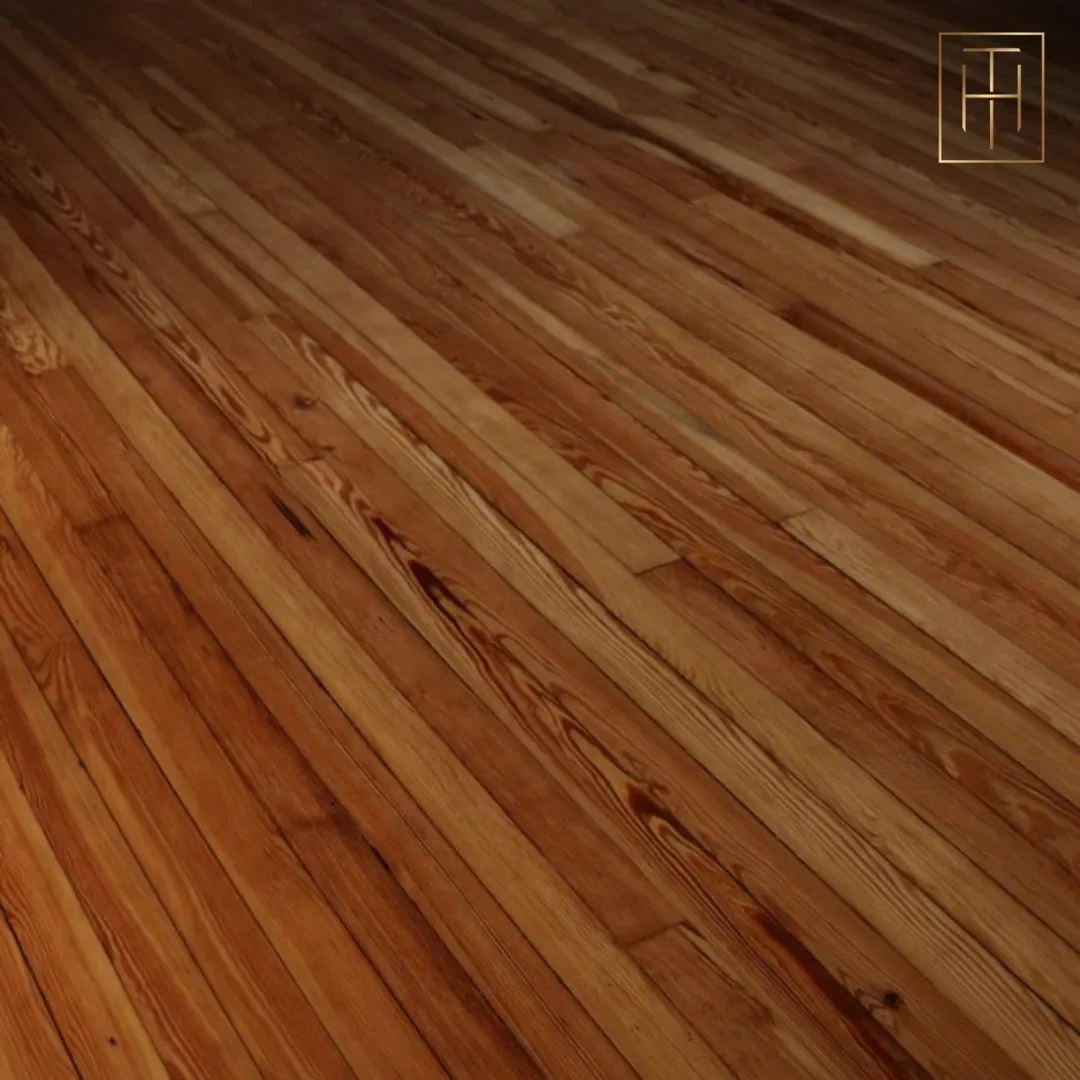
The 48-Hour Rule: What to Do Immediately When You Spot Water Damage
The first 48 hours after a water incident are often referred to as the “golden window” for minimizing damage to your hardwood floors. Rapid action can significantly improve the chances of saving your floor and reducing repair costs. Here’s a step-by-step guide on what to do:
1. Stop the Source of Water
- Immediately identify and stop the water source, whether it’s a leaking pipe, an overflowing sink, or a damaged roof. This is the most critical first step.
2. Remove Standing Water
- Use towels, mops, or a wet/dry vacuum to remove all standing water from the floor surface as quickly as possible. Every minute counts.
3. Increase Airflow and Reduce Humidity
- Open Windows and Doors: If the outdoor humidity is low, opening windows and doors can help air circulation.
- Turn on Fans: Place multiple fans, including box fans and floor dryers, to direct airflow across the affected area. This helps evaporate moisture from the surface of the wood.
- Use Dehumidifiers: Dehumidifiers are crucial for removing moisture from the air, which in turn helps draw moisture out of the hardwood. Aim for a humidity level between 35-55% to prevent further damage and help the wood dry out gently.
- Air Conditioning: Running your air conditioning can also help reduce indoor humidity.
4. Move Furniture and Items
- Relocate any furniture, rugs, or other items from the wet area to prevent further damage to both the items and the floor. This also allows for better airflow.
5. Monitor Moisture Levels (Optional but Recommended)
- If you have a moisture meter (available at most hardware stores), you can use it to track the moisture content in your hardwood floors. This helps determine if your drying efforts are effective. The NWFA provides guidelines on acceptable moisture content for various wood species.
Acting swiftly within this 48-hour window significantly increases the likelihood that your hardwood floors can be saved without needing extensive repairs or replacement.
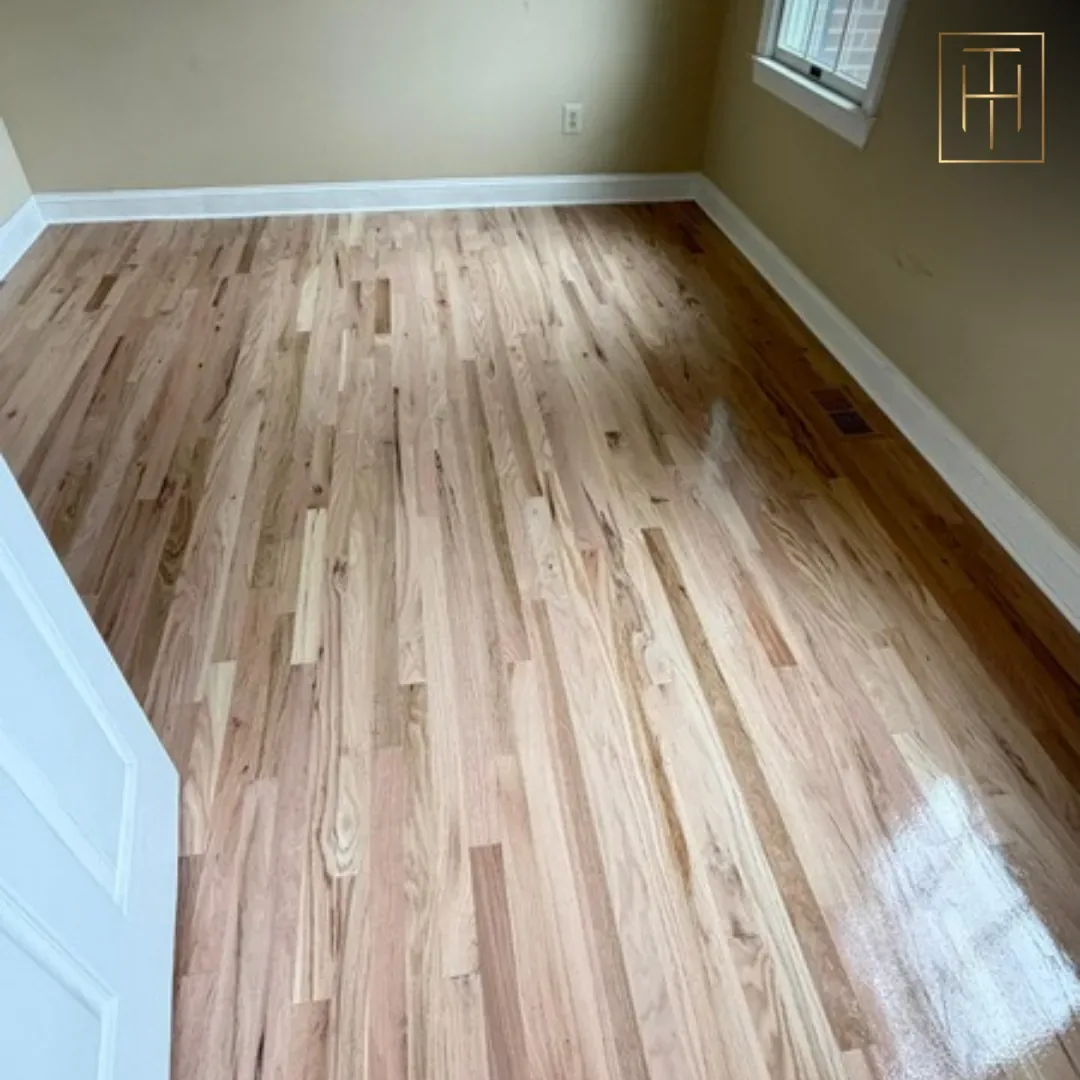
Tools Homeowners Need for Initial Water Damage Response
While professional intervention is often necessary for significant water damage, homeowners can equip themselves with a few key tools to respond effectively in the critical first hours. Having these items on hand can make a big difference:
1. Fans and Air Movers
- Purpose: To circulate air over the wet surface, promoting evaporation and speeding up the drying process.
- Types: Box fans, axial fans (often called “air movers”), or even strong household fans.
- Usage: Position them to create a cross-breeze across the affected area.
2. Dehumidifiers
- Purpose: To remove moisture from the air, which in turn helps extract moisture from the wood itself.
- Types: Standard residential dehumidifiers are sufficient for smaller areas. For larger or heavily saturated areas, a commercial-grade dehumidifier may be more effective.
- Usage: Place them in the affected room and empty the water reservoir regularly.
3. Wet/Dry Vacuum (Shop-Vac)
- Purpose: For quickly removing standing water from the floor surface.
- Usage: Much more efficient than mops and towels for larger spills.
4. Moisture Meter (Optional but Highly Recommended)
- Purpose: To accurately measure the moisture content within the hardwood and the subfloor. This helps you understand the extent of the damage and track drying progress.
- Types: Pin-type meters (which penetrate the wood) and pinless meters (which scan the surface) are available.
- Usage: Take readings in multiple spots within the affected area and in an unaffected area for comparison. The NWFA recommends that the moisture content difference between affected and unaffected wood should be no more than 2-4%.
5. Cleaning Supplies
- Towels and Mops: For initial water absorption and cleaning.
- Mild Cleaner: After the floor is dry, a mild, wood-safe cleaner can be used to clean any residue or stains. Avoid harsh chemicals.
Having these tools readily available can empower you to take immediate action, potentially saving your hardwood floors from irreversible damage.
When to Call a Professional for Water Damage Repair
While immediate DIY steps are crucial, there comes a point where professional intervention is not just recommended, but essential. Knowing when to call in the experts can prevent further damage and ensure your floors are properly restored.
Signs You Need a Professional:
- Persistent Cupping or Crowning: If your hardwood floors remain cupped or crowned after 7 days of active drying with fans and dehumidifiers, it indicates that the moisture has likely penetrated deep into the wood or even the subfloor. Professionals have specialized drying equipment and techniques to address this.
- Visible Mold Growth: Mold can spread quickly and pose health risks. If you see or smell mold, it’s time to call a professional restoration service that can safely remove it and prevent its return.
- Extensive Discoloration: Large areas of black or gray staining suggest deep water penetration, often requiring sanding and professional hardwood floor refinishing in Lower Merion to remove the stain and restore the wood’s appearance.
- Buckling or Warping: When boards start to lift significantly from the subfloor, buckle, or warp beyond simple cupping, the damage is severe. This usually necessitates board replacement, which is a job for experienced flooring contractors.
- Compromised Subfloor: If the water has reached the subfloor, it can weaken the structural integrity of your home. A professional can assess and repair or replace damaged subfloor sections.
- Unknown Water Source: If you can’t identify or stop the source of the water, a professional can help locate the leak and prevent future incidents.
- Large Affected Area: For significant water damage covering a large portion of your floor, DIY drying methods are often insufficient. Professionals have industrial-grade equipment for efficient and thorough drying.
- Insurance Claims: If you plan to file an insurance claim, most insurance companies require a professional assessment and restoration plan from a licensed and insured contractor.
A licensed and insured professional will have the expertise and equipment to properly assess the extent of the damage, dry your floors effectively, address any mold issues, and perform necessary repairs or replacements. They can also provide guidance on preventing future water damage.
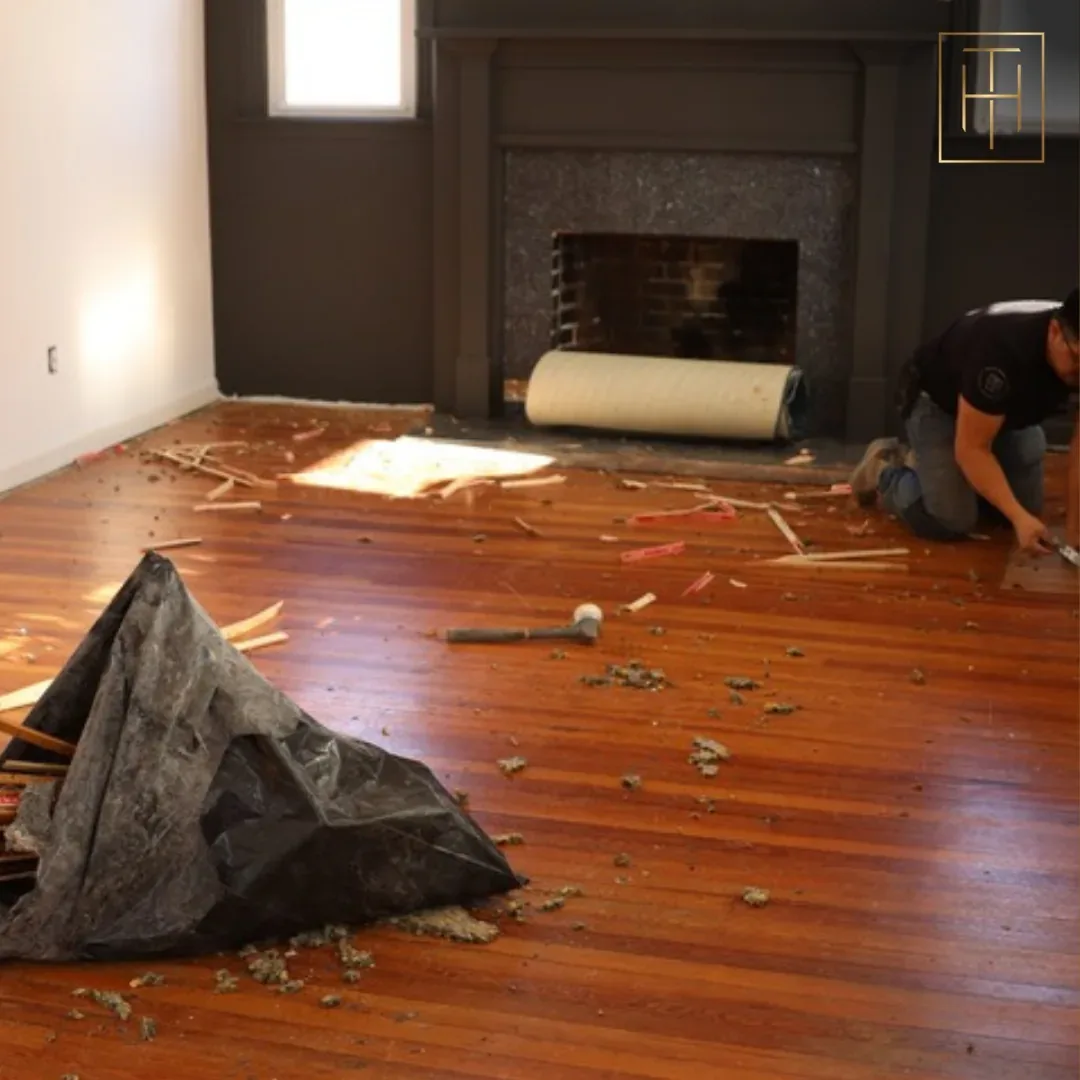
What’s Salvageable vs. What Isn’t
When dealing with water damage on hardwood floors, a key question is what can be saved and what needs to be replaced. The answer largely depends on the severity and duration of the moisture exposure.
Salvageable Damage:
- Minor Discoloration: Small, localized dark spots or stains that haven’t deeply penetrated the wood can often be sanded out during a hardwood floor refinishing project.
- Light Cupping: If cupping is mild and caught early, and the moisture source is completely removed, the boards may flatten out on their own as they dry. This process can take several weeks or even months. Sometimes, gentle sanding and refinishing can resolve minor cupping after the floor has fully acclimated.
- Surface Moisture: If only the surface of the wood has been exposed to water for a short period (within 48 hours) and the subfloor remains dry, thorough drying with fans and dehumidifiers can often save the floor.
Unsalvageable Damage (Requires Replacement):
- Severe Crowning or Buckling: When boards crown significantly or lift completely from the subfloor, the structural integrity of the wood is compromised. These boards are typically beyond repair and need to be replaced.
- Extensive Mold Growth: If mold has deeply permeated the wood, it’s very difficult to remove completely and safely. Replacing the affected boards is often the best course of action to prevent recurrence and health issues.
- Wood Rot: Rotting wood is structurally unsound and cannot be repaired. It must be removed and replaced immediately to prevent further deterioration.
- Compromised Subfloor: If the water has reached and damaged the subfloor, simply replacing the hardwood boards won’t solve the underlying issue. The subfloor must be repaired or replaced before new flooring can be installed.
- Persistent Moisture: If the moisture source cannot be completely eliminated, or if the floor remains wet despite drying efforts, replacement becomes necessary to prevent continuous damage.
An experienced flooring professional can assess the extent of the water damage and provide an honest evaluation of whether your hardwood floors can be salvaged through refinishing and repairs or if replacement is the more economical and long-lasting solution.
Prevention: Maintaining Optimal Humidity for Hardwood Floors in PA
Preventing water damage on hardwood floors goes beyond just addressing spills; it also involves maintaining a stable indoor environment. In areas like Lower Merion, Pennsylvania, where humidity levels can fluctuate significantly with the seasons, managing indoor humidity is crucial for the longevity of your hardwood floors.
The Ideal Humidity Range:
- The National Wood Flooring Association (NWFA) recommends maintaining indoor relative humidity (RH) between 35% and 55% year-round for hardwood floors.
- Why this range? Wood is hygroscopic, meaning it absorbs and releases moisture from the air. When humidity is too high, wood absorbs moisture, causing it to expand, which can lead to cupping or crowning. When humidity is too low, wood releases moisture, causing it to shrink, which can lead to gapping between boards and even cracking.
How to Maintain Optimal Humidity:
- Humidifiers: During dry winter months, especially when heating systems are running, indoor humidity can drop significantly. A humidifier can add moisture back into the air, preventing excessive drying and shrinking of your floors.
- Dehumidifiers: In humid summer months, or in basements and areas prone to moisture, a dehumidifier can remove excess moisture from the air, preventing swelling, cupping, and mold growth.
- Air Conditioning: Running your air conditioning system in warmer months also helps to reduce indoor humidity.
- Monitor with a Hygrometer: A simple hygrometer (an inexpensive device that measures humidity) can help you monitor your home’s relative humidity and adjust your climate control systems accordingly.
- Address Leaks Promptly: Regularly check for leaks around sinks, toilets, dishwashers, refrigerators, and washing machines. Even small, slow leaks can cause significant damage over time.
- Use Mats: Place absorbent mats at entryways to catch water, snow, and mud from outside. Use mats under sinks and in areas prone to splashes.
- Clean Spills Immediately: Even with preventative measures, spills happen. Always wipe up any liquid on your hardwood floors immediately.
By actively managing your home’s indoor humidity and being vigilant about potential water sources, you can significantly extend the life and beauty of your hardwood floors, minimizing the risk of costly water damage on hardwood floor issues.
FAQ About Water Damage on Hardwood Floors
Common questions from homeowners in Lower Merion and surrounding areas regarding water damage on hardwood floors.
What are the first signs of water damage on hardwood floor?
The first signs typically include dark spots (black or gray), a dull finish in affected areas, and slight swelling or raised grain on individual boards. These usually appear within 1-2 days of water exposure.
How long do I have to fix water damage on hardwood before it’s too late?
The first 48 hours are critical. If you can stop the water source, remove standing water, and begin drying with fans and dehumidifiers within this window, you have a good chance of preventing severe, irreversible damage. After 5+ days, water often reaches the subfloor, leading to more extensive and costly repairs.
What is the difference between cupping and crowning in hardwood floors?
Cupping occurs when the edges of the boards are higher than the center, usually from moisture absorption from below. Crowning is the opposite, with the center of the board higher than the edges, often happening when a cupped floor dries unevenly or if moisture remains trapped underneath.
Can I dry my water-damaged hardwood floor myself?
For minor surface spills caught within 48 hours, you can attempt to dry the floor using fans, dehumidifiers, and good air circulation. However, if you see cupping, crowning, buckling, or mold, or if the water exposure was significant, it’s best to call a professional for proper assessment and industrial-grade drying.
When should I call a professional for water damage on hardwood?
You should call a professional if cupping persists after 7 days of drying, if you see any signs of mold, if there’s extensive discoloration, buckling, or warping, if the subfloor is affected, or if you can’t identify or stop the water source. Professionals have specialized equipment and expertise for effective restoration.
How can I prevent future water damage on hardwood floors?
Maintain indoor relative humidity between 35-55% year-round using humidifiers/dehumidifiers. Promptly fix any leaks, use mats at entryways and under potential water sources, and immediately wipe up any spills. Regular inspections can also help catch issues early.
Explore Our Hardwood Flooring Services
- Professional Hardwood Floor Refinishing
- Hardwood Floor Refinishing in Lower Merion, PA
- Fixing Squeaky and Uneven Hardwood Floors
- Hardwood Flooring Installation
Concerned About Water Damage on Your Hardwood Floors?
If you’ve noticed signs of water damage on hardwood floor in your Lower Merion home, don’t wait for the problem to worsen. Contact our licensed and insured team today for a professional assessment and expert solutions to restore your floors.