
Blog
How Many Times Can You Refinish Hardwood Floors? A Realistic Guide
Hardwood floors are an investment, and part of their enduring appeal is their ability to be restored to their original beauty through refinishing. But how many times can you actually refinish hardwood floors before they need to be replaced entirely? This is a common question for homeowners in West Chester, and the answer isn’t always straightforward.
The number of times you can refinish your hardwood floors depends on several factors, primarily the type of flooring you have and the thickness of its wear layer. Understanding these details is crucial for making informed decisions about the longevity and maintenance of your floors. Let’s break down what you need to know to maximize your floor’s lifespan.
The Tongue-and-Groove Rule: The Ultimate Limit to Refinishing
The absolute limit for hardwood floor refinishing is dictated by the tongue-and-groove joint. This interlocking mechanism is what holds your floorboards together. When you refinish a hardwood floor, a thin layer of wood is sanded away from the surface. The goal is to remove scratches, dents, and the old finish, revealing fresh wood underneath.
The critical point is that you can only sand down to the top of the tongue-and-groove joint. Once you sand past this point, the structural integrity of the floor can be compromised, leading to loose boards, gaps, and an uneven surface. This is why professional floor technicians are careful to remove only the necessary amount of wood.
Think of it like sharpening a pencil: you can sharpen it many times, but eventually, you reach a point where there’s no more wood to sharpen without breaking the lead. For hardwood floors, reaching the tongue-and-groove means it’s time to consider replacement rather than another refinish.
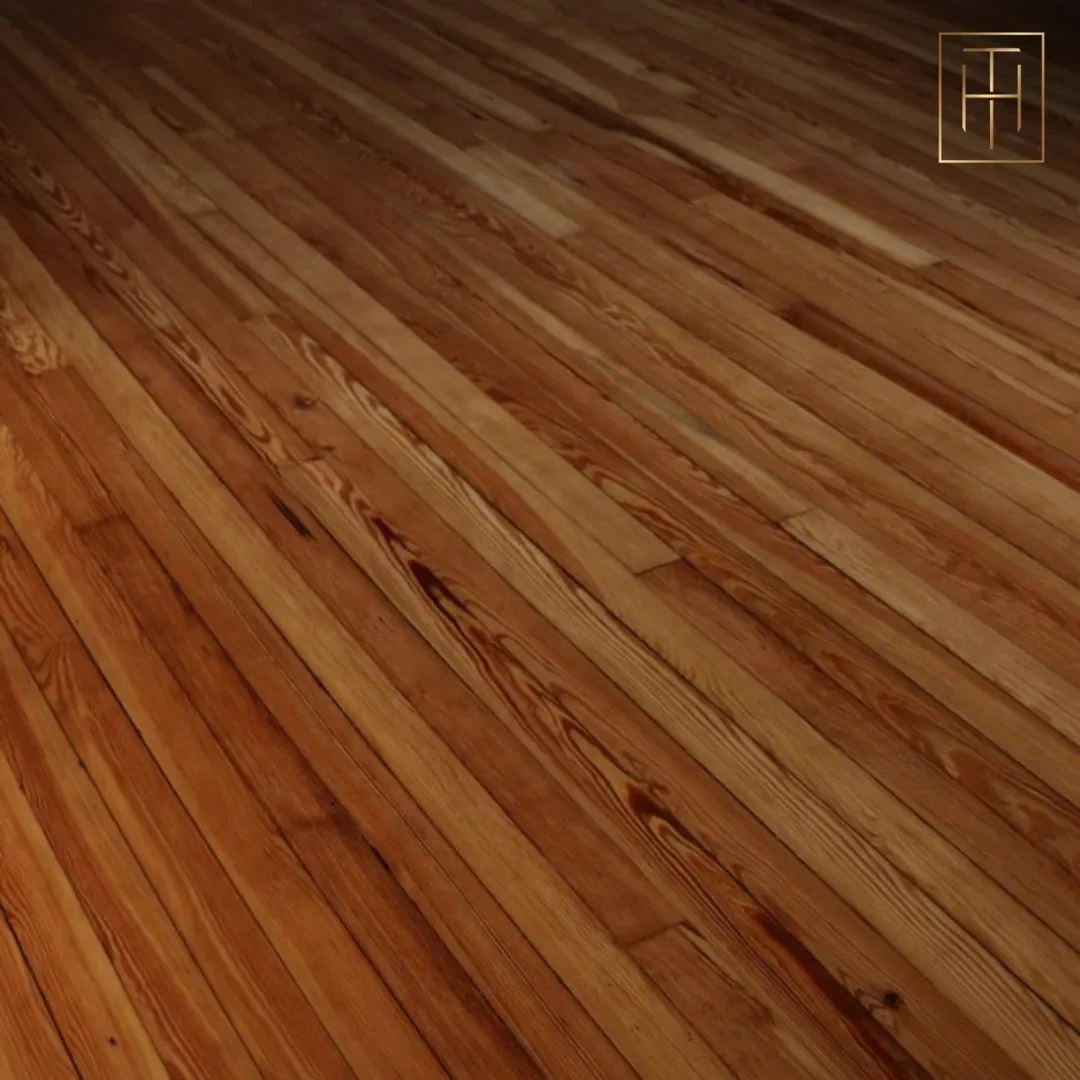
Solid 3/4-inch Hardwood: The Longevity Champion
Solid hardwood flooring, typically 3/4-inch thick, is the most forgiving when it comes to refinishing. Because it’s solid wood from top to bottom (above the tongue-and-groove), it offers the most material for sanding.
- Refinishes: A solid 3/4-inch hardwood floor can generally be refinished 5 to 7 times.
- Lifespan: With proper care and regular refinishing every 10–15 years (depending on wear), these floors can last 80 to 100 years, or even longer.
- Cost-effectiveness: While the initial investment might be higher, the ability to refinish solid hardwood multiple times makes it incredibly cost-effective over its long lifespan. It’s a key reason why many homeowners choose hardwood flooring.
Each refinishing session removes approximately 1/32 to 1/16 of an inch of wood, depending on the depth of scratches and the sanding process. Given the substantial thickness of solid hardwood, this allows for many opportunities to renew its appearance.
Engineered Hardwood: Wear Layer is Key
Engineered hardwood floors are constructed with a plywood or high-density fiberboard core and a top layer of real hardwood veneer, known as the wear layer. The thickness of this wear layer is the sole determinant of how many times engineered hardwood can be refinished. For more on engineered wood, check out our guide on engineered wood flooring.
- 4mm or thicker wear layer: These premium engineered floors can typically be refinished 2 to 3 times. They offer a good balance of durability and refinishing potential, making them a popular choice.
- 2-3mm wear layer: Floors with this thickness usually tolerate 1 refinish, if done carefully by an experienced professional.
- Less than 2mm wear layer: These floors generally cannot be refinished. The wear layer is too thin, and sanding would quickly expose the core material.
It’s important to know the wear layer thickness of your engineered hardwood when considering refinishing. If you’re unsure, a flooring professional can help you assess your options. Always consult with a licensed and insured flooring expert before proceeding with any refinishing project.
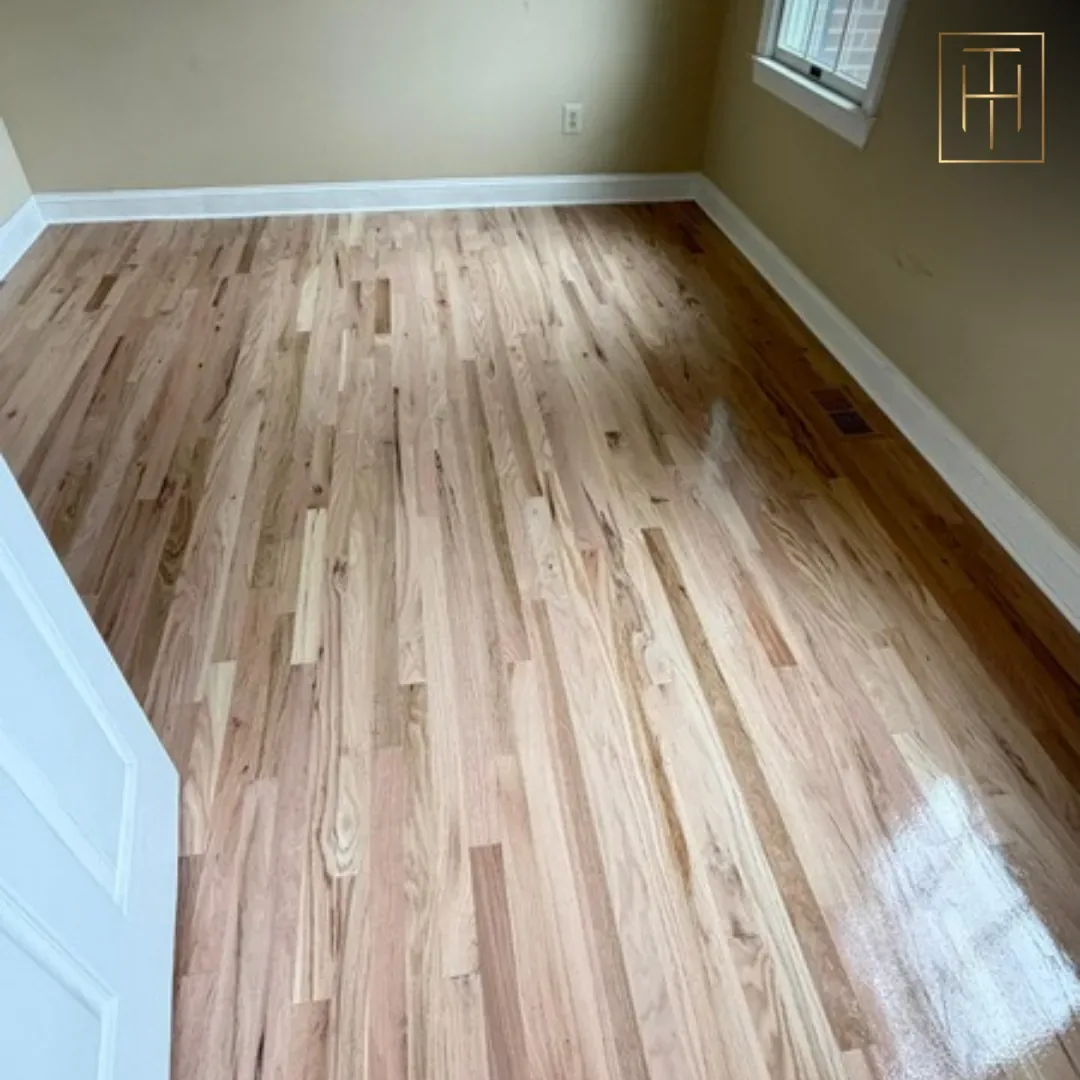
How to Measure Remaining Sandable Wood
Unsure how much life is left in your hardwood floors? Here are a couple of methods to estimate the remaining sandable wood:
The Penny Test (for Solid Hardwood)
Find an inconspicuous area, like near a baseboard or under a rug. Take a penny and gently scrape the edge along the floor surface. If you can feel a distinct lip or groove where the penny edge catches, it indicates that there’s still a good amount of wood above the tongue-and-groove. This informal test provides a rough idea, but a professional assessment is always best for accuracy.
Paperclip in the Seam (for Engineered Hardwood)
For engineered floors, carefully insert a thin paperclip or business card into the seam between two boards. Gently push it down until it stops. The distance from the surface to where it stops is roughly the thickness of your wear layer. Compare this measurement to the guidelines above to determine if refinishing is a viable option. You can also consult resources like NWFA (National Wood Flooring Association) for industry standards on refinishing tolerance. For more detailed information on wear layer measurements, Floor Critics offers useful guides.
When Refinishing is No Longer Possible (or Advisable)
Even with the most durable hardwood floors, there comes a time when refinishing is no longer the best solution. Knowing these signs can help you decide if it’s time for a full replacement.
- Gouges Deeper Than the Wear Layer: If your floor has deep gouges or damage that extends below the sandable wear layer (especially in engineered wood), refinishing won’t fully repair the damage. While some deep scratches can disappear after sanding, others might be too severe.
- Water Damage to the Subfloor: Extensive water damage can warp, rot, or buckle the hardwood and even compromise the subfloor beneath. Refinishing won’t address these structural issues, and replacement is typically necessary.
- Thin Spots Revealing Subfloor: If you see areas where the wood has been worn so thin that the subfloor is visible, or the tongue-and-groove is exposed, your floor has reached its refinishing limit.
- Pervasive Cupping or Crowning: While minor cupping can sometimes be addressed with sanding, severe and widespread cupping (where board edges are higher than the center) or crowning (where the center is higher than the edges) often indicates moisture issues or structural problems that refinishing cannot fix.
- Irreparable Structural Damage: Beyond surface scratches, if the boards are severely cracked, splintered, or loose due to age or improper installation, refinishing may not be enough to restore stability or appearance.
Refinish vs. Replace: The Decision Matrix
Deciding whether to refinish or replace your hardwood floors is a significant decision. Here’s a quick decision matrix to help you weigh your options:
Consider Refinishing If:
- Your floors have solid hardwood or a thick engineered wear layer (4mm+).
- The damage is mostly superficial (scratches, scuffs, dull finish).
- You want to change the stain color or finish sheen.
- The subfloor is in good condition.
- You’re looking for a more budget-friendly option than full replacement.
Consider Replacing If:
- Your engineered floors have a very thin wear layer (under 2mm) or have already been refinished multiple times.
- There is extensive water damage, deep gouges, or widespread structural issues (cupping, crowning, widespread gaps).
- You want a completely different type of flooring (e.g., switching from hardwood to tile or vinyl).
- The floor is beyond its structural integrity, exposing the tongue-and-groove or subfloor.
- You’re undertaking a major renovation and want to start with a fresh foundation.
For a deeper dive into this decision, read our guide on hardwood floor installation vs. refinishing.
FAQ: How Many Times Can You Refinish Hardwood Floors?
Common questions about refinishing limits for hardwood floors.
How many times can you refinish solid 3/4-inch hardwood floors?
Solid 3/4-inch hardwood floors can typically be refinished 5 to 7 times over their lifespan, depending on the amount of wood removed during each sanding process.
How many times can you refinish engineered hardwood floors?
The number of refinishes for engineered hardwood depends on the thickness of its wear layer. Floors with a 4mm+ wear layer can handle 2–3 refinishes, while those with a 2-3mm layer might only tolerate 1. Floors with less than a 2mm wear layer generally cannot be refinished.
What is the “tongue-and-groove rule” for refinishing?
The tongue-and-groove rule states that you can only sand a hardwood floor down to the top of the tongue-and-groove joint. Sanding past this point compromises the floor’s structural integrity, making further refinishing impossible.
How often should hardwood floors be refinished?
Hardwood floors typically need refinishing every 10 to 15 years, or sooner if they experience heavy traffic, excessive wear, or deep scratches. This timeframe can vary based on usage and maintenance.
When is it no longer possible to refinish hardwood floors?
Refinishing is no longer possible when the wear layer is too thin, when the tongue-and-groove joint is exposed, or when there is extensive damage like deep gouges below the wear layer, severe water damage, or irreparable structural issues.
Is it always better to refinish than replace hardwood floors?
Not always. While refinishing is often more cost-effective and environmentally friendly, replacement might be necessary if the floors are extensively damaged, structurally compromised, or if the wear layer is too thin for further sanding. A professional assessment can guide this decision.
Explore Our Services
- Hardwood Floor Refinishing
- Hardwood Flooring Installation
- Engineered Wood Flooring
- Stair Installation & Restoration
Ready to Refinish Your Hardwood Floors in West Chester?
If you’re in West Chester and wondering how many times you can refinish hardwood floors, or if your floors are ready for a refresh, our licensed and insured team is here to help. We provide expert assessment and professional refinishing services to bring your floors back to life. Contact us today for a personalized estimate and let’s discuss the best solution for your home.
*Pricing varies based on project scope, materials selected, and site conditions. Contact us for a personalized estimate.