Blog
LVP vs Hardwood: Which Flooring Adds More Value to Your Home?
If you're upgrading your floors, the real question isn’t only “Which looks nicer?” It’s: Which flooring actually increases home value more — LVP or hardwood?
The simple answer: hardwood usually adds more value because it’s a premium material, lasts longer, and can be refinished instead of replaced. LVP is often a smart choice for budget and water resistance — but it typically adds less resale value.
What “adds value” really means in real estate
When homeowners say “adds value,” they usually mean one (or more) of these outcomes:
- Higher resale price because buyers perceive the home as premium.
- Faster sale because the home shows better in photos and in-person tours.
- Better buyer confidence (fewer objections during negotiation).
- Lower long-term cost because the floor doesn’t need replacement anytime soon.
Flooring plays a huge role because it’s one of the first things buyers notice. It changes how the whole house feels: clean vs tired, updated vs dated, premium vs “basic.”
Hardwood: the premium option that typically increases home value more
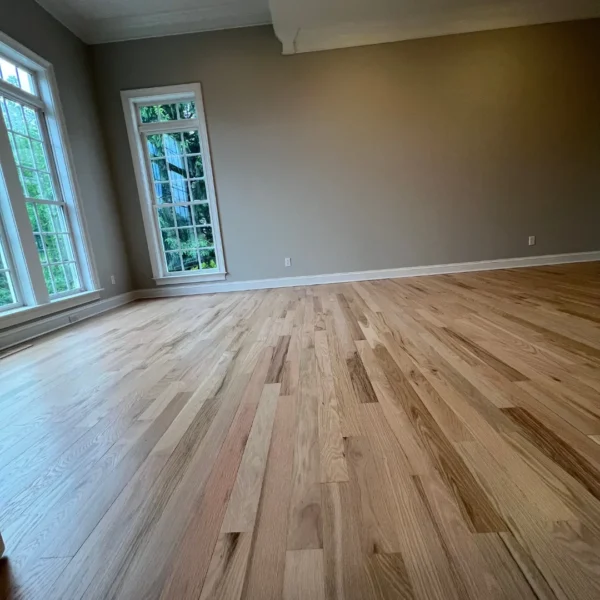
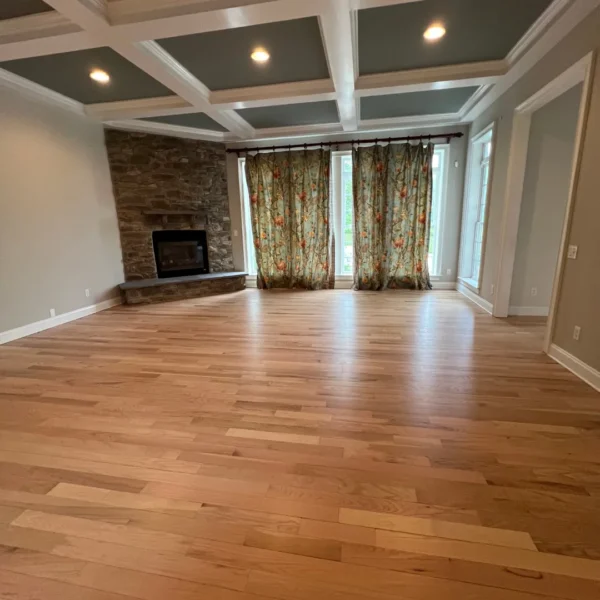
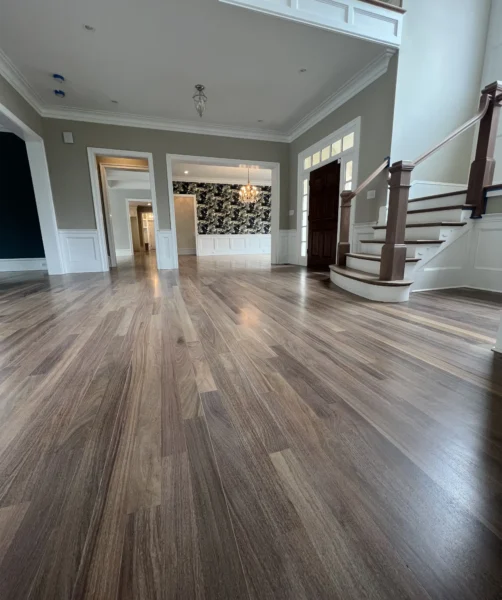
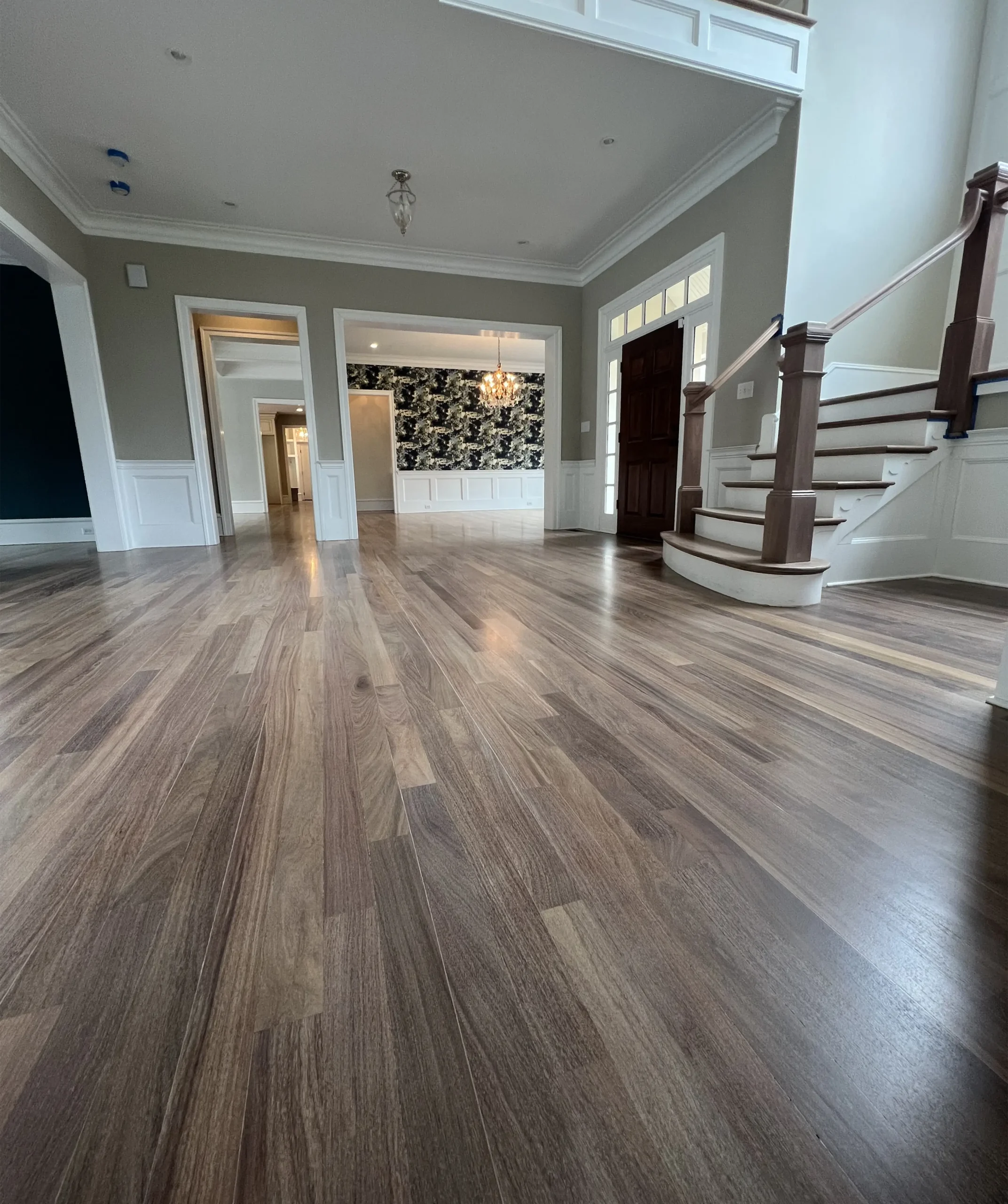
Hardwood is a premium category in residential real estate. When buyers hear “real hardwood floors,” they usually interpret it as quality, durability, and a long-term home upgrade — not a short-term fix.
Why hardwood usually wins on value
- Premium buyer perception: hardwood is viewed as “real” and higher-end.
- Long lifespan: hardwood can last decades when properly maintained.
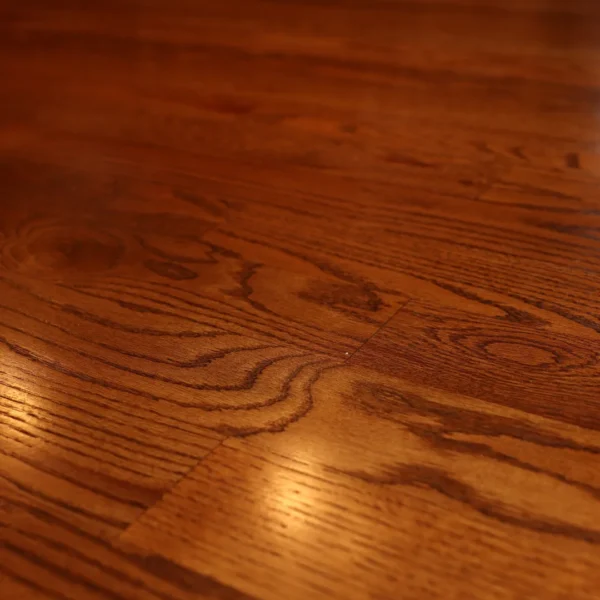
- Refinishable: you can restore the surface with hardwood refinishing instead of replacing the whole floor.
- Timeless look: it doesn’t feel trendy — it feels permanent.
LVP: more affordable, water resistant… but adds less resale value
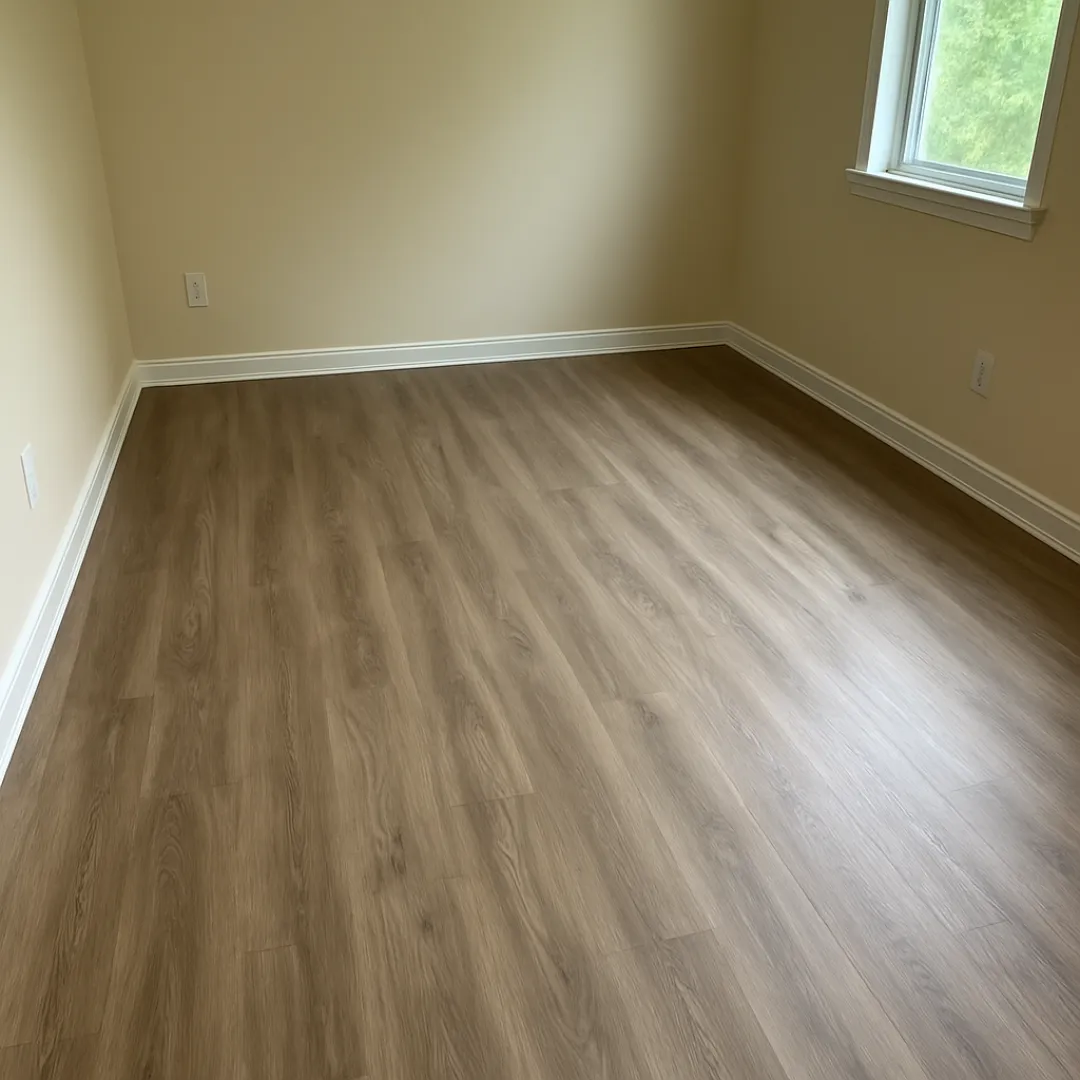
LVP (Luxury Vinyl Plank) is popular because it gives a “wood look” at a lower cost, and it handles moisture better than hardwood in many situations.
Where LVP makes sense
- Budget control: lower upfront cost compared to hardwood.
- Water resistance: often chosen for certain lower-level areas.
- Rental properties: practical when the goal is durability at lower cost.
- Short-term ownership: if you’re selling soon and need a quick upgrade.
The tradeoff: LVP is still a synthetic product. Many buyers see it as “good,” but not “premium.” It can improve the look of a home — but it typically doesn’t create the same value lift as real wood.
Hardwood vs LVP: durability and long-term cost
The biggest mistake homeowners make is comparing only the installation price. The smarter comparison is: cost over time + resale impact.
Hardwood long-term value
- Can last decades and be refinished multiple times.
- Scratches and wear can often be corrected through sanding/finishing.
- Higher perceived value in listings and buyer walkthroughs.
LVP long-term reality
- When it wears out or gets damaged, it’s often a replacement scenario.
- It can look great, but it doesn’t carry the same “premium” reputation.
- Resale impact is usually smaller than hardwood.
When hardwood is the best move (most common situations)
- You want the best chance of increasing resale appeal and perceived home quality.
- You plan to stay in the home long term and want a floor that can be renewed.
- You want a timeless look and real material feel underfoot.
- You’re upgrading from carpet and want a premium transformation.
If you’re deciding between installing new hardwood or refinishing what you already have, this guide helps: Hardwood Floor Installation vs Refinishing in PA: How to Choose .
When LVP is the smarter move
- You need a lower upfront cost and want a clean, updated look.
- You’re upgrading a rental unit and want durable, practical flooring.
- You’re working in a space where moisture is a bigger concern.
- You want a fast upgrade, without the premium budget of hardwood.
FAQ
Quick answers homeowners ask before choosing flooring.
Does hardwood increase home value more than LVP?
In most cases, yes. Hardwood is viewed as a premium material and typically improves resale appeal more than LVP.
Is LVP better than hardwood in wet areas?
LVP is often chosen for water resistance. Hardwood can still work in many homes, but moisture control and proper care matter.
Which floor lasts longer: hardwood or LVP?
Hardwood often lasts much longer because it can be refinished. LVP is durable, but when it wears out, replacement is more common.
Can hardwood be refinished if it gets scratched?
Yes. That’s one of the biggest value advantages: scratches and wear can often be corrected through refinishing.
Should I refinish my existing hardwood or install new flooring?
If the boards are solid and there’s enough sanding depth, refinishing is often the best value. If the floor is compromised or you want a totally different look, installation may make more sense.
Related Posts
- Hardwood Floor Installation vs Refinishing in PA: How to Choose
- How to Prepare Your Home for Hardwood Floor Refinishing (Dustless Checklist)
- Hardwood Floor Finish Types: Matte vs Satin vs Semi-Gloss
- What Ruins Hardwood Floors the Fastest (and How to Prevent It)
Want the best choice for resale and long-term value?
If you’re in Eagleville, West Chester, Pottstown, or Lansdale, request a quote and tell us your goal. We’ll recommend the flooring option that fits your home, your lifestyle, and your budget — with no guesswork.
Prefer a direct link? https://teslahardwoodfloor.com/#form