Blog
Will Deep Scratches Disappear After Sanding Hardwood Floors?
If your hardwood floor has deep scratches, it’s normal to hope refinishing will make them vanish. Sometimes it will. Sometimes it won’t. The real answer depends on one thing: how deep the scratch goes.
In this guide, you’ll learn the difference between surface scratches and deep gouges, what sanding can fix, when boards need repair or replacement, and how to avoid paying for a “refinish” that can’t realistically deliver the result you expect.
Quick answer: it depends on the depth
Sanding removes a thin layer of wood plus the old finish. That means: surface-level scratches usually disappear, but deep scratches may still show if they go past the sanding depth.
Surface scratches: usually removed by sanding
These are the common “daily life” marks: dog nails, chair movement, grit from shoes, light scuffs in traffic lanes. Most of the time, professional sanding during hardwood refinishing removes them completely and restores an even look.
- What it looks like: thin white lines, hazy areas, shallow marks in the finish.
- Typical result: sanding removes the damaged finish layer and smooths the surface.
- Best finish choice: matte or satin can hide daily wear better than high-gloss finishes.
Deep scratches and gouges: may require repair or board replacement
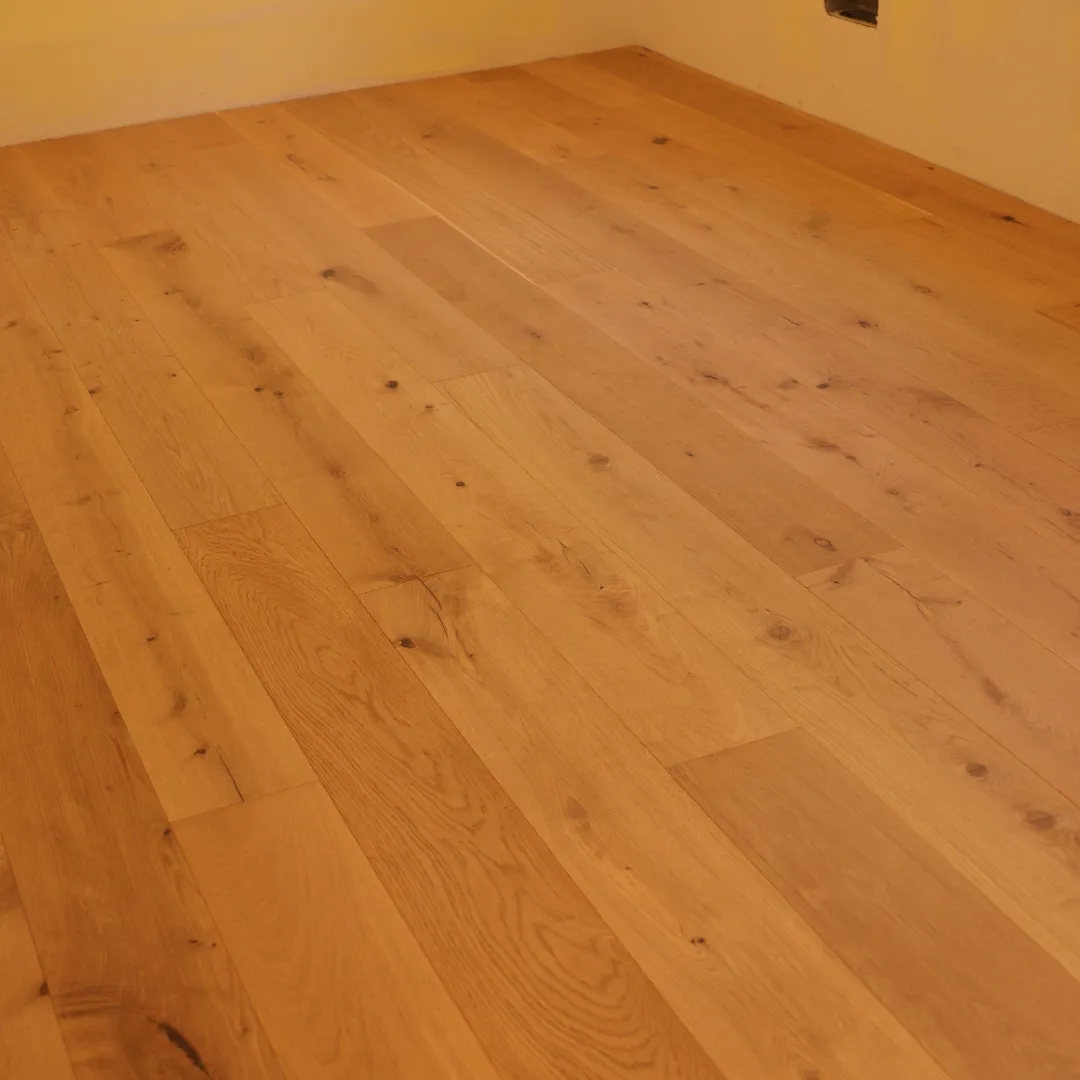
Deep scratches are different. They may cut into the wood itself, not just the finish. If the scratch is deeper than the sanding can safely remove, you have two realistic options: spot repair (in certain cases) or replacing damaged boards.
- What it looks like: grooves, dented areas, missing wood, dark lines that don’t fade.
- Common causes: dragging heavy furniture, sharp impacts, pet accidents + moisture exposure.
- Typical result: sanding improves the area but may not erase the deepest marks.
How pros decide: refinish only vs refinish + repairs
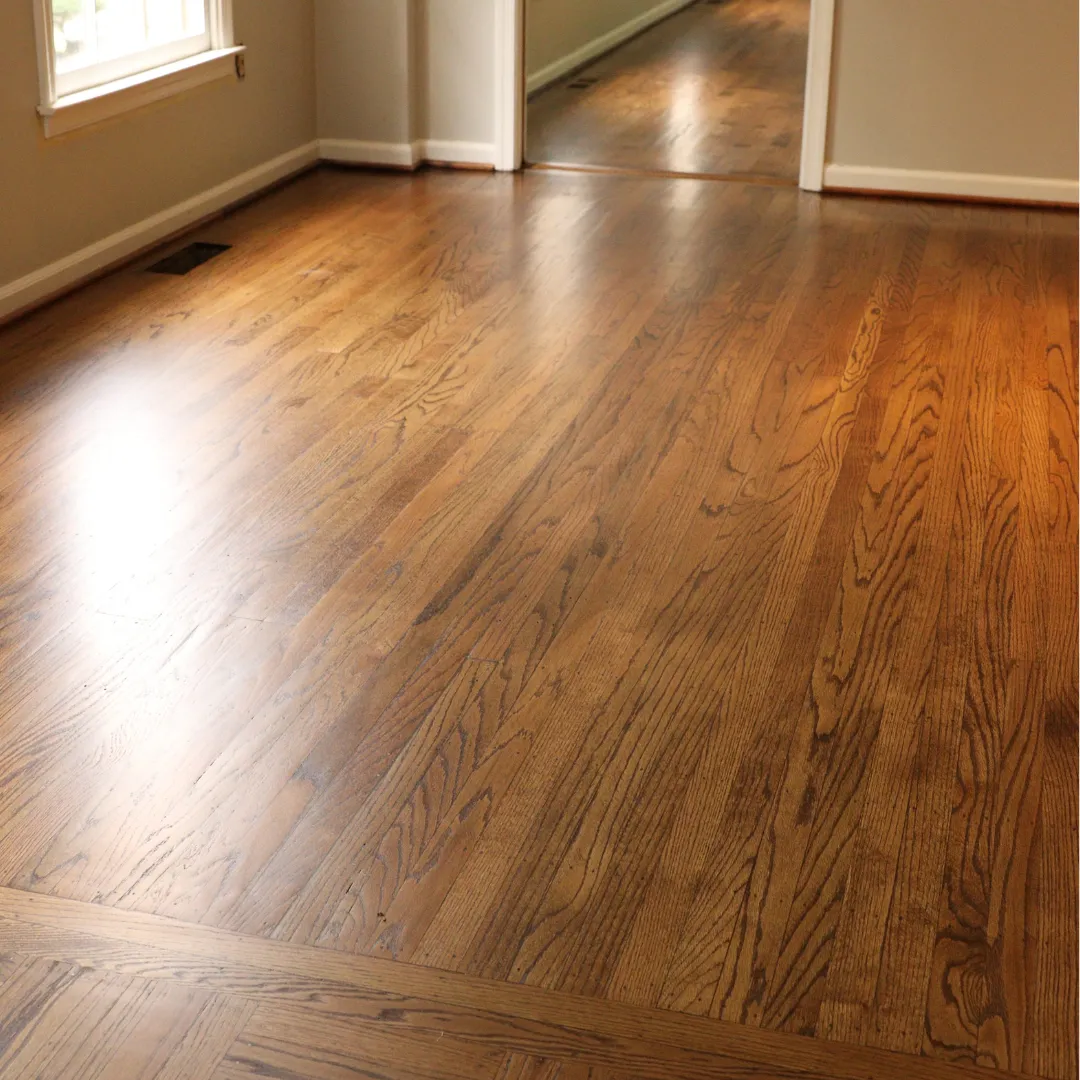
The goal isn’t perfection on paper — it’s a floor that looks consistent across the entire room. If a few deep scratches would still stand out after refinishing, repairs are usually the smarter move.
Refinish only is usually enough when:
- The scratches are mostly in the finish layer.
- The floor looks dull, worn, or hazy but not deeply gouged.
- You want a full refresh without changing boards.
Refinish + repairs is usually needed when:
- Scratches are deep grooves or dents into the wood.
- Damage is concentrated in one area (entry, kitchen lane, pet zone).
- There are dark stains around scratches (possible moisture penetration).
If you’re also weighing whether it’s better to refinish or replace the floor entirely, this guide helps you choose: installation vs refinishing in PA .
How to prevent deep scratches in the future
Most deep damage comes from the same repeat issues. Fix these and you protect your finish long-term:
- Use felt pads on every chair and replace them regularly.
- Never drag heavy furniture — use sliders or request furniture moving as an add-on.
- Keep pet nails trimmed and use runners in “run lanes.”
- Use entry mats to reduce grit (the #1 cause of micro-scratches).
If your floor is also squeaky or uneven, that’s a separate issue with its own fixes: squeaky and uneven floors in PA .
FAQ
Quick answers homeowners ask before refinishing.
Do deep scratches disappear after sanding hardwood floors?
It depends on the depth. Surface scratches often disappear with sanding. Deep scratches that cut into the wood may require repairs or board replacement for the best result.
How can I tell if a scratch is too deep?
A simple test is your fingernail: if it catches hard inside the scratch, it may be too deep to fully remove with sanding alone. A professional evaluation confirms it quickly.
Can you repair a few damaged boards before refinishing?
In many cases, yes. Replacing or repairing damaged sections before refinishing can deliver a more consistent final look across the room.
Will a matte or satin finish hide scratches better?
Usually yes. Matte and satin finishes reflect less light, which helps hide everyday wear and minor imperfections compared to higher-gloss finishes.
Should I refinish or replace my hardwood floor?
If the boards are solid and there’s enough sanding depth, refinishing is often the best value. If the floor is structurally compromised or you want a different look/layout, installation may make more sense.
Related Posts
- Hardwood Floor Installation vs Refinishing in PA: How to Choose
- How to Prepare Your Home for Hardwood Floor Refinishing (Dustless Checklist)
- Squeaky Hardwood Floors & Uneven Floors in PA: Causes and Fixes
- Hardwood Floor Finish Types: Matte vs Satin vs Semi-Gloss
Want to know if refinishing will remove your scratches?
If you’re in Eagleville, West Chester, Pottstown, or Lansdale, request a quote and show us the worst areas. We’ll tell you what refinishing can fix — and whether repairs are needed for the cleanest final result.